Transforming a home starts with the right foundation underfoot. Whether you are updating a single room or tackling whole-house improvements, flooring installation is a major project for many First Coast homeowners. Planning ahead makes all the difference in keeping your project on track and minimizing disruptions to your home.
Being well-prepared can help you avoid unnecessary stress, protect your belongings, and make life easy for the flooring contractors. From clearing the space to understanding timelines, preparation is key to a successful outcome.
Let’s look at what you need to know when preparing for flooring installation in Jacksonville. Careful planning leads to smoother installations, fewer unexpected costs, and a home that’s move-in ready as soon as the last board or tile drops into place.
Understanding the Installation Process
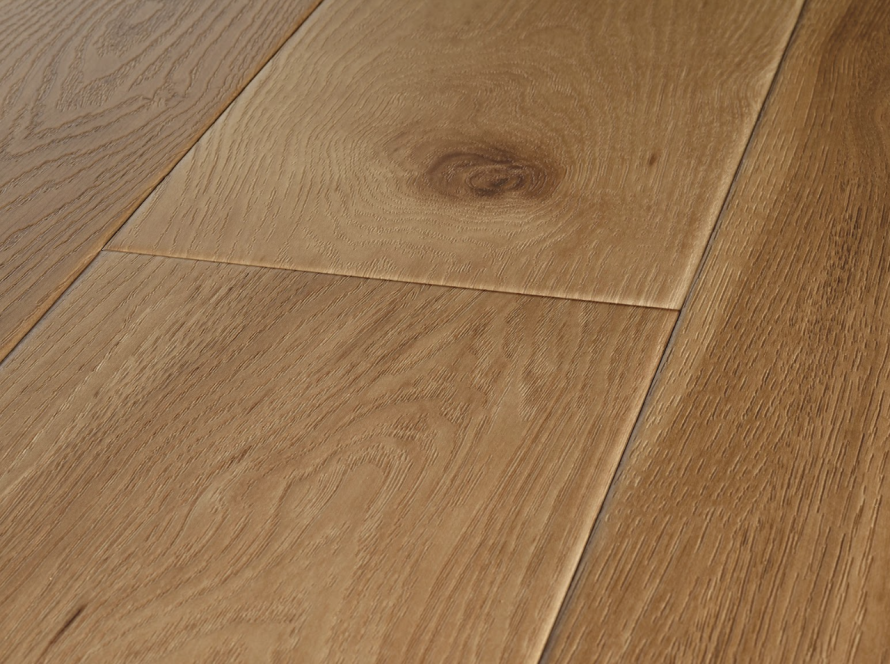
Before moving furniture or ordering supplies, it’s important to understand what to expect during the flooring installation process in Jacksonville, FL. Generally speaking, many homes in Jacksonville opt for flooring products like tile or hardwood flooring, as it’s resistant to the area’s humid climate and highly durable.
Homeowners can anticipate an initial assessment where measurements are taken and materials are confirmed for the flooring installation in Jacksonville.
The area will need to be cleared of furniture and personal items, and old flooring may need to be removed. Flooring contractors will prepare the subfloor, address any repairs, and make sure the surface is level. The new flooring is then laid out, cut to fit, and installed according to the manufacturer’s guidelines.
Throughout the process, there may be noise, dust, and limited access to certain rooms. The project timeline can range from a single day to several days, depending on the size of the space and the type of flooring.
Preparing Your Rooms and Furniture for the Flooring Contractors
Room prep is one of the most important steps for a smooth installation. Clearing the way for installers helps them finish the job faster and lowers the chance of damage to both new and old flooring.
Make Storage Arrangements for Furniture
Prior to the installation, you’ll need to remove all the furniture, rugs, and other items in the area. If you’re installing flooring in just one room, moving the furniture is easier. If you are re-flooring your entire home, we recommend reserving a storage unit for your furniture during the installation process. In a bigger city like Jacksonville, try to reserve the unit at least a few weeks in advance.
Planning for Pets and Children
Flooring installation brings tools, loud noises, and lots of movement.
Make a plan to keep pets and small children out of the work area throughout the process. This protects them from injury and gives installers space to work efficiently. Many Jacksonville families coordinate with neighbors, use spare bedrooms as temporary pet zones, or block off sections of the home with baby gates during the project.
Protecting Nearby Rooms
Dust and debris are common during flooring installation, even in the cleanest projects. Protect adjacent areas by closing doors, taping plastic sheeting across doorways, and using drop cloths over entryways. If you’re replacing flooring in several rooms, start with the farthest area and work toward the exit to reduce foot traffic over unfinished surfaces.
Addressing Subfloor and Room Conditions
The foundation beneath your new floors needs as much attention as the visible surface. The coastal and humid climate of Northeast Florida can create unique challenges, especially for wood and tile installations.
Moisture Checks and Repairs
Subfloor moisture is a big issue for homes in Florida.
We recommend using moisture meters to check both concrete slabs and wooden subfloors before installation day. High readings mean you may need to repair leaks or use vapor barriers to prevent long-term damage. Addressing subfloor moisture before you install flooring protects your investment and can prevent warped boards or loose tiles.
Types of subfloor repairs and preparation depending on flooring material:
For concrete subfloors
- Seal cracks or fill low spots with leveling compound
- Apply moisture-blocking sealants or vapor barriers if readings are high
For wooden subfloors
- Replace any rotted or damaged boards
- Tighten or secure loose boards and screws
- Sand down uneven areas for a flat surface
Flooring-specific needs
- Tile and luxury vinyl require an especially flat and level subfloor
- Hardwood and laminate need dry, stable subfloors to avoid movement and buckling
- Carpet installation may tolerate minor imperfections, but moisture must still be addressed
Special Needs for Jacksonville Homes
Homes near the beach or Intracoastal Waterway may face extra moisture, sand, and salt. Entryways and high-traffic rooms commonly need an additional underlayment or more frequent sealant touch-ups. If your Jacksonville home is on a crawlspace, inspect for water or insects before laying new flooring. Proactive steps now help your floors last longer.
Scheduling and Access for Installers
Proper scheduling and clear access set the tone for a stress-free installation experience. Plan ahead, especially during busy seasons when many homeowners upgrade at once.
Arranging Parking and Entry
Parking can be limited in Jacksonville’s older neighborhoods or multifamily apartment complexes. Reserve a spot close to your entryway for the installer’s truck, and make sure pathways are free from obstacles.
If the flooring will be carried through common areas, inform neighbors or your building manager.
Communicating with Installers
Share your expectations and ask questions ahead of time.
Confirm the project’s start time, daily schedule, and whether you need to be home during each phase. Exchange phone numbers for quick updates or if unexpected delays (like weather or supply issues) occur.
Timing for Multi-Room Projects
If you’re replacing floors in more than one room, plan a logical order to reduce disruption. Many Jacksonville residents start with bedrooms or offices and finish with bathrooms, kitchens, or living areas.
This helps you keep daily routines and make sure only one section of your home is disrupted at a time. Staggering the installation schedule (which may be more expensive) allows you to move belongings from one room to another, maintain access to essential spaces, and avoid overcrowding hallways.
Additionally, communicating with installers about your priorities and any family needs can help streamline the process and minimize inconvenience throughout your home.
Final Checks Before Installation Day
Proper preparation on the eve of installation ensures a seamless start to your flooring project. Taking these extra steps can help prevent delays, protect your belongings, and give installers easy access to your space.
Pre-Installation Checklist:
- Remove all furniture and decor from installation areas
- Store fragile or valuable items in a safe location
- Secure pets in a separate room or area
- Make sure clear pathways for installers and equipment
- Confirm delivery of flooring materials and supplies
- Ventilate the work area if needed
- Inform family members about restricted zones during installation
- Verify start time and contact information with your professional installation team
Safety Considerations for Families
Set up alternative spaces to eat, relax, or work for the duration of the installation. Explain the project plan to your family — especially kids — so they know which rooms are off-limits. Have a backup plan in case the job takes longer than expected, like adverse weather or material delays.
Making thoughtful choices in advance means fewer surprises for you and your family.
Frequently Asked Questions About Floor Installation in Jacksonville
How long does a typical floor installation take?
Most standard installations take 1-3 days, depending on the size of the area and the type of flooring.
Can new flooring be installed over my old floors?
In some cases, yes, especially with certain types of vinyl and laminate. However, the subfloor and existing flooring need to be in good condition.
How soon can I walk on my new floors?
Most flooring types can be walked on the same day, but some materials — like certain tiles or glue-down hardwood — may require a curing period.
Will you handle old flooring removal and disposal?
Yes, we provide offer removal and disposal services as part of the installation process.
What types of flooring products do you have at Lifetime Flooring?
We offer a wide variety of flooring products, including tile, stone, hardwood, luxury vinyl plank, carpet, laminent, and more to match your style.
What’s the Next Step in Jacksonville, FL?
Upgrading your home’s flooring is a major step toward a refreshed, inviting space. By understanding each phase of the installation process and preparing your Jacksonville home in advance, you set the stage for a finished result you’ll enjoy for years.
With careful prep, clear communication, and attention to local needs, you can welcome a smoother, more successful flooring installation, ready for the next chapter in your home’s story.
Are you checking your options for new flooring installation in Jacksonville? Get in touch with Lifetime Flooring today for a quote or visit our flooring store in Jacksonville. We have a full suite of options you’ll absolutely love around the latest trends, including tile, hardwood, carpet, luxury vinyl plank, and more.