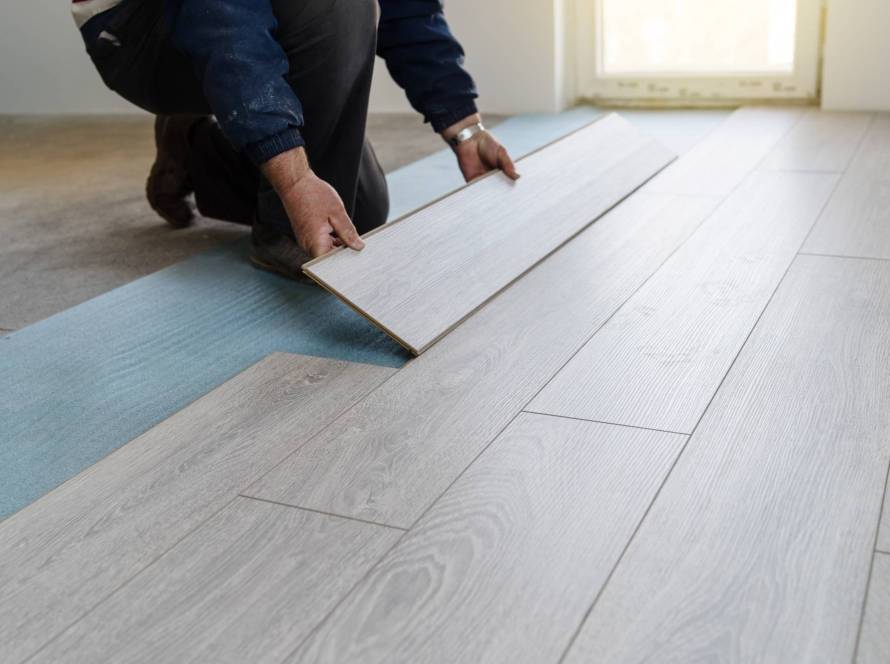
Hardwood flooring has an enduring appeal that few materials can match. It’s elegant without being fussy, warm without feeling heavy, and versatile enough to complement everything from a sun-filled coastal cottage to a glass-lined urban loft. More than looks, hardwood offers the kind of longevity and repairability that turns a floor from a consumable into a long-term investment. If you’re weighing options for a remodel or new build, this guide explains why hardwood remains a top choice—what it’s made of, where it excels, how to care for it, and how to shop smart so your floor looks beautiful for decades. Working with a trusted installer such as Lifetime Flooring can help you navigate the choices with confidence and keep the process smooth from estimate to final walk-through.
The Case for Hardwood: Beauty That Lasts
1) Timeless design language
Hardwood floors don’t go out of style because they’re rooted in nature. Grain, tone, and pattern deliver visual interest without loudness. Whether your home leans traditional, modern, farmhouse, or Japandi, wood reads as calm and intentional.
2) True longevity
Unlike many hard-surface alternatives, hardwood can be renewed. Solid boards may be sanded and refinished multiple times, and engineered planks with a robust wear layer can often be refinished at least once. That means dents, sun fade, and finish wear aren’t the end of the road.
3) Real-home practicality
Wood is comfortable underfoot and warmer than tile, and with a good underlayment, footfall noise is pleasantly muted. In living rooms and bedrooms—the spaces you use daily—hardwood’s comfort shows up every time you cross the room barefoot.
4) Strong resale appeal
Buyers consistently rank hardwood among their most desired features. Quality planks in a classic tone photograph beautifully and help spaces feel larger, brighter, and more cohesive.
5) Repairability
From pet marks to moving-day scuffs, life happens. The difference with hardwood is that small areas can be spot-repaired and entire rooms can be refreshed with a maintenance coat or full refinish, extending service life and keeping value high.
Solid vs. Engineered: Understanding the Build
Solid hardwood is milled from a single piece of wood. It’s thick, durable, and can be refinished several times. Best over wood subfloors above grade using nail-down installation.
Engineered hardwood is a veneer of real wood bonded over layers of plywood or similar. That cross-laminated core makes it dimensionally stable—ideal for wider planks, homes with seasonal humidity swings, and installs over concrete slabs or radiant heat (depending on the product).
Quick selection guide
- Choose solid if you’re above grade on joists, want maximum refinish potential, and prefer traditional nail-down.
- Choose engineered if you’re on slab, planning for radiant heat, or want wide planks (7–10″).
Species and Aesthetics: Finding Your Look
White Oak – Today’s go-to: neutral undertones, tight grain, stains beautifully from natural to deep brown.
Red Oak – Classic warmth with livelier grain; takes stain well across a wide palette.
Hickory – High hardness and dramatic variation; great for families and rustic-modern spaces.
Maple – Subtle, creamy grain; fantastic for bright, minimal interiors; shows scratches a bit more due to smooth texture.
Walnut – Lush, chocolate undertones and flowing grain; softer than oak but a showstopper in living and dining rooms.
Bamboo (technically a grass) – Strand-woven varieties are very hard and modern-leaning; excellent when you want linear grain.
Plank width & layout
Narrow boards (2¼–3¼”) lean traditional; wide planks (6–10″) feel calm and modern because there are fewer seams. Herringbone and chevron patterns add tailored geometry that elevates foyers, offices, and formal spaces. Longer board lengths visually expand rooms.
Edge profiles
Micro-bevels soften seams and help disguise slight height differences; square edges read seamless but demand a very flat subfloor.
Finish Systems: Protection and Personality
Prefinished vs. site-finished
Prefinished planks arrive with the topcoat applied in a controlled factory setting—fast install, minimal on-site odor, and excellent durability. Site-finished floors allow custom stain blending, seamless edges, and artistic borders but require more time and temporary odor/ventilation planning.
Topcoat options
- Water-based polyurethane: Clear, low odor, and quick curing; maintains a natural wood tone.
- Oil-based polyurethane: Rich, ambered warmth and strong protection; longer cure and more odor.
- Hardwax oils: Penetrating matte finish with easy spot repair; needs periodic maintenance to retain protection.
Sheen levels
Matte and satin hide dust and micro-scratches and suit contemporary spaces. Semi-gloss and gloss feel formal and dramatic but reveal wear more readily.
Where Hardwood Shines (Room by Room)
Living & dining rooms
Hardwood brings warmth and a high-quality backdrop to the pieces you love—rugs, sofas, art—without competing for attention.
Bedrooms
Quiet underfoot and visually calm, wood floors make morning routines feel grounded. Add a breathable rug for softness.
Kitchens
With mats near the sink and dishwasher and quick wipe-ups, hardwood performs well. Choose durable finishes and keep humidity stable.
Hallways & stairs
High-traffic zones benefit from harder species (oak, hickory) and durable finishes. Stair noses must be secure and code-compliant.
Basements
Engineered hardwood over a proper moisture barrier is often the safer path on slabs. Monitor humidity and address perimeter moisture.
Bathrooms
Powder rooms, yes (with good ventilation). Full baths with showers and tubs are better suited to tile due to frequent, heavy moisture.
Comfort, Acoustics, and Radiant Heat
Wood’s cellular structure makes it naturally warmer and slightly softer than tile or stone—a comfort you’ll notice on winter mornings. Underlayments can further reduce sound transfer in multi-story homes. Many engineered products are compatible with radiant heat; keep surface temperatures within manufacturer limits and ramp heat up gradually at season changes.
Care & Maintenance: Easy Habits, Big Payoff
Daily/weekly
- Sweep or vacuum on the hard-floor setting to remove grit.
- Place mats at exterior entries and under sinks.
- Wipe spills promptly.
Monthly/quarterly
- Damp-mop with a manufacturer-approved cleaner (lightly, never wet).
- Rotate rugs and furniture to even out sunlight exposure.
- Add felt pads to furniture feet and replace as they wear.
Annually and beyond
- Inspect transitions and stair noses; tighten if needed.
- Schedule a maintenance coat when traffic lanes start to look tired; refinish when scratches and dullness are widespread.
Climate control matters
Keep indoor relative humidity roughly 35–55% year-round. In dry winters, use a humidifier; in humid summers, a dehumidifier or air conditioning helps. Stable humidity minimizes seasonal gaps and cupping.
Sustainability and Indoor Air Quality
Hardwood is a renewable resource, and many mills participate in responsible forestry programs. Engineered products maximize yield per log, improving resource efficiency. Pair your selection with low-VOC adhesives and finishes where possible, and ventilate during and after installation. Swapping or cleaning HVAC filters post-project helps capture fine dust.
Budgeting and Value: Seeing the Whole Picture
What drives cost
- Species & grade: Rarer species and clearer grades cost more.
- Width & length: Wide, long planks carry premiums but deliver a high-end look.
- Construction: Engineered cores and thicker wear layers add to price while enhancing stability and refinish potential.
- Finish system: Factory UV-cured coatings vs. on-site finishing affect labor and schedule.
- Pattern complexity: Herringbone, chevron, borders, and stairs increase labor time.
Hidden line items to expect
- Subfloor prep (leveling, moisture mitigation, structural fixes).
- Demo and disposal of old flooring and adhesives.
- Color-matched trims, reducers, and stair noses.
- Logistics: high-rise elevators, long carries, tight work windows.
Why value endures
Because hardwood is repairable and refinishable, it amortizes over decades, not years. When styles shift, you can re-stain rather than replace, protecting both your budget and the environment.
Installation 101: What to Expect
Before install
- Acclimation: Follow manufacturer guidance; store cartons flat in the installation space.
- Moisture testing: Essential over concrete and for glue-downs; address issues before proceeding.
- Flatness: Most products require ≤3/16″ over 10′; grinding and patching bring the substrate into spec.
- Logistics: Clear rooms, plan pet safety, and coordinate appliance moves.
During install
- Demolition and haul-away of existing floors.
- Subfloor inspection and correction (squeaks screwed down, highs ground, lows patched).
- Underlayment or vapor retarder as specified.
- Layout lines snapped for balanced plank starts.
- Planks installed (nail-down, glue-down, or floating) with expansion gaps where required.
- Transitions, trims, and stair noses fitted securely.
- Cleanup to a broom-clean standard.
After install
- Observe cure windows before heavy furniture and rugs (especially for glue-downs and site finishes).
- Add furniture pads and avoid dragging heavy items.
- Keep climate stable in the first 30 days while the floor and home reach equilibrium.
A professional team documents findings, communicates change orders for unexpected conditions, and explains care guidelines clearly. For homeowners who want a guided process with minimal surprises, scheduling a consultation with Lifetime Flooring is a straightforward way to align material choice, budget, and timeline under one roof.
Common Misconceptions (and the Real Story)
“Hardwood is too fragile for families.”
Reality: Choose a harder species, a durable finish, and set simple house rules (no high-heels on soft species, felt pads on furniture). Most busy households do great with oak or hickory in satin finishes.
“You can’t use hardwood in kitchens.”
Reality: You can—just treat water as the enemy of any wood product. Use mats, wipe quickly, and keep humidity in range. Many long-lived kitchens prove the point.
“Engineered is fake wood.”
Reality: Engineered has a real-wood wear layer over a stable core. It’s still wood where you see and touch it, with benefits for wider planks and challenging substrates.
“Refinishing is a mess.”
Reality: Dust-control sanding and quick-curing finishes have improved the process. Planning and temporary relocation of rugs and light furniture are the main inconveniences.
Shopping Checklist (Print or Save)
- Decide on species and general tone (light, mid, dark).
- Pick construction (solid vs. engineered) based on subfloor and climate.
- Choose width, length mix, and edge profile.
- Select finish system (factory prefinished vs. site-finished) and sheen.
- Confirm compatibility with radiant heat (if applicable).
- Ask for maintenance and refinish guidelines in writing.
- Verify moisture testing and subfloor flatness requirements in the contract.
- Include trims/transitions, stair parts, and base/shoe molding in the scope.
- Build a small contingency for subfloor fixes and logistics.
Bringing It All Together
Hardwood flooring is more than a stylistic choice; it’s a long-term framework for how your home looks, feels, and wears. With the right material, a suitable finish, and a few simple maintenance habits, you get decades of performance and an aesthetic that quietly elevates everyday life. For most households, the best results come from aligning product, preparation, and professional installation—each piece supports the others. When you’re ready to compare options, request samples in the rooms where you’ll use them, view them in morning and evening light, and take your time.
From first sample to final sweep, hardwood rewards thoughtful decisions. If you want expert guidance on species selection, humidity management, and installation details tailored to your home, reach out to Lifetime Flooring for a friendly, pressure-free consultation. And when the time comes to book, you’ll move forward knowing you’ve chosen a floor that will age gracefully with you and your space.