TL;DR
- Jacksonville’s summer heat, high humidity, and frequent rain create flooring conditions other climates simply don’t deal with
- LVP (Luxury Vinyl Plank) is the top-performing choice for most Florida living spaces — waterproof, scratch-resistant, and dimensionally stable in humidity
- Engineered hardwood performs well when installed correctly with proper subfloor moisture management; tile is unbeatable for kitchens, bathrooms, and high-moisture areas
- The wrong flooring in the wrong application can warp, buckle, or delaminate before you finish paying for it
- Lifetime Flooring’s team brings a combined experience of 40+ years helping Jacksonville homeowners choose floors that last
Summer in Jacksonville is relentless. From June through September, daily temperatures push into the 90s, afternoon storms dump inches of rain, and the humidity settles in at 70% and higher for weeks at a time.
Most homeowners think about flooring in terms of style. The color, the finish, the room it’s going into. Those things matter — but in Jacksonville, they’re secondary to a question that’s much more fundamental: will this floor hold up?
The wrong answer to that question doesn’t just look bad. It buckles, gaps, swells, or delaminates — and it usually does it within the first year or two, during a Florida summer, when the conditions are at their most extreme.
This guide explains exactly how Jacksonville’s climate affects your most common flooring options and what to choose based on where the floor is going and how your household actually lives.
Why Jacksonville Is Different
The U.S. Department of Energy’s guidance on home moisture control makes clear that humid-climate regions require active moisture management strategies — including at the subfloor level. Jacksonville homeowners deal with:
- Relative humidity regularly above 70% from June through September, with high humidity persisting nearly year-round in many neighborhoods. The EPA recommends keeping indoor humidity below 60% to limit mold and material damage — a real challenge in Jacksonville’s climate.
- Concrete slab foundations — the most common construction type in Northeast Florida — which can transmit moisture from the ground up through the subfloor and into flooring adhesives and core materials
- Coastal moisture. Many Northeast Florida neighborhoods sit near the water — along the barrier islands, the Intracoastal, and the coast — where humidity and coastal air add to the overall moisture exposure a home’s materials face.
- Sudden moisture events — burst pipes, HVAC condensation issues, and flooding from afternoon storms entering through doors or garages
Solid hardwood that performs beautifully in a dry Colorado home can cup and gap in Jacksonville’s humidity. Cheap laminate that looks fine in the store can swell and warp within 18 months of a Florida summer. Choosing the right flooring for a Jacksonville home isn’t about being overly cautious — it’s about understanding that Florida’s conditions are genuinely different, and your floor selection should account for them.
LVP Flooring: The Top Choice for Most Jacksonville Spaces
Luxury Vinyl Plank has moved from budget flooring option to premium choice in Florida over the past decade — and for good reason.
Modern LVP is a multi-layer product: a rigid or semi-rigid core (usually SPC — Stone Plastic Composite), a printed design layer that realistically mimics hardwood or stone, and a protective wear layer on top. The result is a floor that looks like wood, feels substantial underfoot, and is waterproof throughout its construction.
Why LVP performs in Jacksonville:
- Dimensionally stable in humidity. Unlike solid hardwood, LVP doesn’t expand and contract significantly with changes in humidity. It stays flat.
- Waterproof. Spills, pet accidents, and even minor flooding won’t damage properly installed LVP — the core doesn’t absorb water.
- Works on concrete slabs. LVP can be installed directly over concrete with proper moisture barrier protocols, which matters enormously in Florida’s slab-foundation homes.
- Scratch-resistant. The wear layer resists pet claws, sand tracked in from the beach or yard, and the general foot traffic of a busy household.
What to watch for with LVP:
Not all LVP is equal. Wear layer thickness — measured in mils — determines how long the floor will hold up to traffic and scratching. Budget LVP with thin wear layers looks the same in the store but degrades significantly faster. For a Jacksonville home, look for LVP with a wear layer of at least 12 mils for general living areas; 20 mils or higher for high-traffic areas.
Core thickness matters too. Thicker cores are more rigid, which helps with subfloor imperfections and provides a better underfoot feel.
Lifetime Flooring’s team helps Jacksonville homeowners select LVP products that match the specific conditions of your home — not just what looks good in the showroom.
Engineered Hardwood: The Right Wood Option for Jacksonville
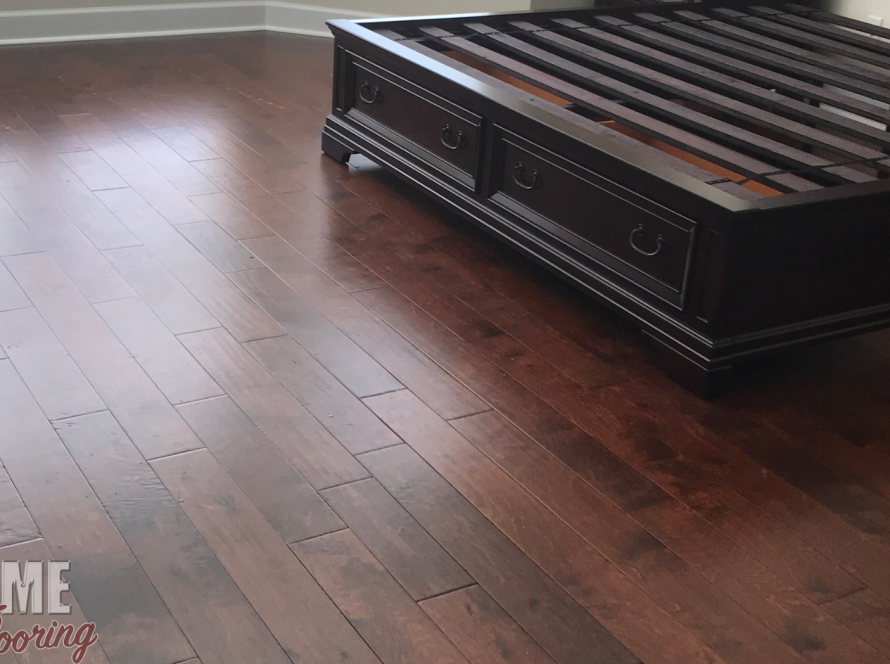
For homeowners who want genuine wood floors and are willing to do the installation correctly, engineered hardwood is the answer for Jacksonville.
Engineered hardwood is constructed with a real wood veneer bonded to multiple layers of plywood or composite material underneath. That layered construction gives it significantly better dimensional stability than solid hardwood — it expands and contracts less in response to humidity changes.
Why engineered hardwood works in Jacksonville:
- Better humidity tolerance than solid wood. The cross-ply construction resists the cupping, gapping, and warping that humidity causes in solid hardwood.
- Real wood appearance and feel. The top veneer is genuine wood — the look, the texture, and the character of real hardwood, without the moisture vulnerability of a solid plank.
- Can be refinished. Depending on veneer thickness, engineered hardwood can be sanded and refinished once or twice — extending the floor’s life significantly.
The non-negotiable: subfloor moisture testing. Before any wood product goes down in a Jacksonville home, moisture testing the subfloor is essential. A concrete slab with elevated moisture content will damage any wood-based flooring from underneath, regardless of surface quality. Lifetime Flooring’s installation process includes a subfloor assessment as a standard step — because in Florida, skipping it is how expensive floors fail.
Where to use it: Engineered hardwood works well in living rooms, dining rooms, bedrooms, and hallways in climate-controlled homes. Avoid it in bathrooms, laundry rooms, or any space that regularly sees standing water.
Tile and Stone: The Durable Standard for Florida’s Wet Spaces
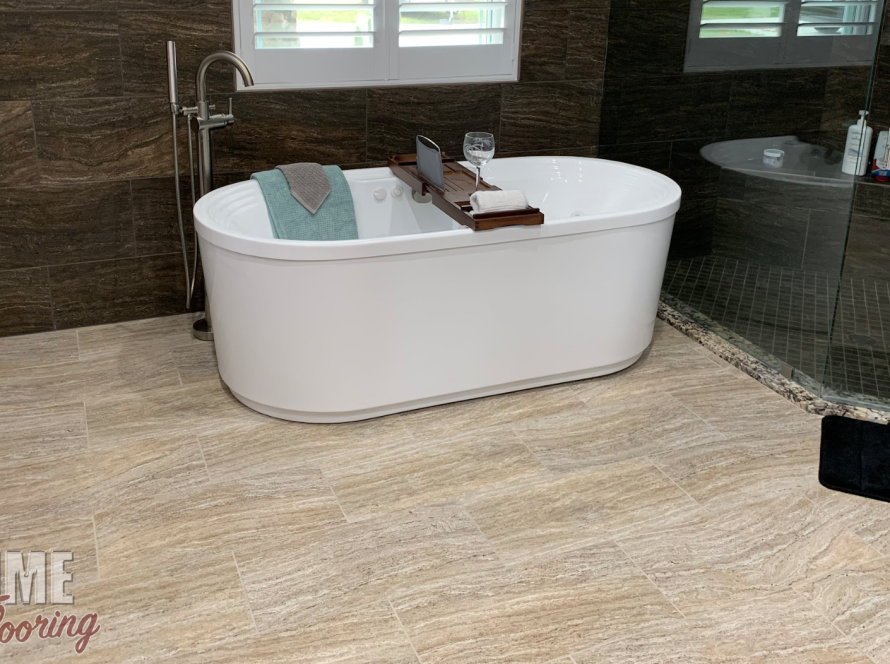
Tile — ceramic, porcelain, or stone — is the most water-resistant flooring option available, and it’s genuinely unbeatable in Florida’s wet and high-traffic areas.
Why tile works in Jacksonville:
- Waterproof when properly installed. Porcelain and ceramic tile don’t absorb water, warp, or cup, which makes them the default choice for kitchens, bathrooms, entryways, and laundry rooms.
- Cool underfoot. Tile naturally stays cool, which is a significant comfort benefit in Florida’s summer heat. It’s one reason tile has been the dominant floor surface in Florida homes for generations.
- Virtually unlimited lifespan. Well-installed tile can last 50 years or more. It’s the most durable option available if installation quality is high.
- Easy to clean. Sand, dirt, and spills wipe up cleanly. For households near the beach or with dogs, tile in entryways and high-traffic areas is a practical choice.
What affects tile performance:
Installation quality is everything with tile. Proper substrate preparation, correct thinset selection, adequate grout joint width, and proper sealing of grout lines all affect how the floor holds up over time. Poor installation leads to cracked tiles, popping corners, and grout failure.
Tile and stone flooring installation by Lifetime Flooring is handled by experienced crews who understand Jacksonville’s slab conditions and the subfloor prep requirements for long-lasting results.
Large-format tile (24×24 or larger) has grown in popularity in Jacksonville homes, particularly in living areas and bathrooms. The larger the tile, the more critical the substrate flatness — another reason professional installation matters.
What About Carpet?
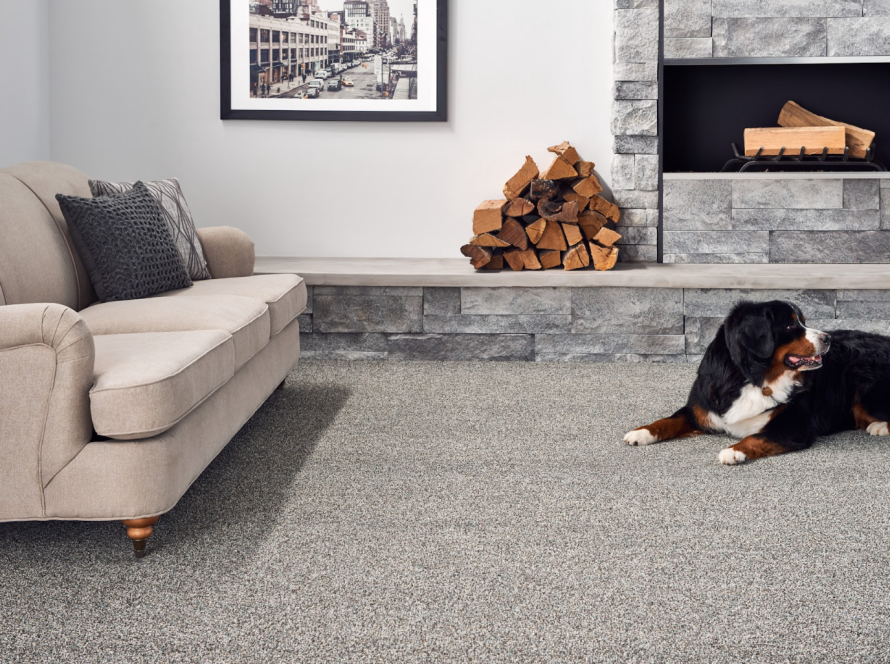
Carpet has a place in Jacksonville homes — primarily in bedrooms where comfort underfoot matters most and moisture exposure is controlled.
In living areas, kitchens, entryways, or any room with exterior access, carpet in Jacksonville creates a long-term maintenance and moisture problem. Florida’s humidity accelerates allergen buildup and makes carpet harder to keep truly clean. Most Jacksonville homeowners who renovate replace carpet in high-traffic areas with LVP or hardwood and keep carpet only in bedrooms.
Laminate: Proceed With Caution
Standard laminate has improved significantly, but in Jacksonville, it remains the most vulnerable flooring option to moisture damage.
The core of most laminate is HDF (High-Density Fiberboard) — a wood-composite material that swells when it absorbs moisture. In Jacksonville’s climate, this is a real risk: concrete slabs that transmit moisture, humidity infiltration around sliding glass doors, or a single significant water event can damage laminate flooring permanently.
Waterproof laminate products exist and have improved, but even the best waterproof laminate has limitations that LVP — with its fully synthetic, non-porous core — doesn’t share. For most Jacksonville applications where you’re choosing between laminate and LVP, LVP is the better long-term choice.
Choosing by Room: A Quick Reference for Jacksonville Homes
| Room | Recommended | Reason |
| Living room | LVP or engineered hardwood | Waterproof/stable; handles humidity and traffic |
| Dining room | LVP, engineered hardwood, or tile | Easy cleanup; stable in humidity |
| Kitchen | Tile or LVP | Moisture-resistant; withstands spills and Florida humidity |
| Bathrooms | Tile | Most water-resistant; ideal for wet areas |
| Bedrooms | LVP, engineered hardwood, or carpet | Lower traffic; carpet acceptable where moisture isn’t a concern |
| Entryway/foyer | Tile or LVP | High traffic; frequent moisture entry from outside |
| Garage | Polyurea/epoxy coating | Handles oil, chemicals, and Florida heat cycling on concrete |
The Subfloor Question No One Talks About Enough
In Jacksonville, the subfloor is as important as the floor on top of it.
Most Northeast Florida homes are built on concrete slabs. Concrete is porous, and in Florida’s climate, moisture can move through a concrete slab from the ground below, especially in older homes or those with drainage issues.
Before any flooring installation, a licensed professional flooring installer should assess:
- Slab moisture content via calcium chloride or in-situ probe test
- Subfloor flatness — LVP and tile both have specific flatness tolerances
- Existing adhesive or leveling compound from previous floors
Lifetime Flooring includes a subfloor assessment as a standard part of every installation project in Jacksonville. It’s one of the clearest differences between a flooring job that looks good on day one and a floor that still looks good in year ten.
Frequently Asked Questions
What is the most durable flooring for a Jacksonville home with pets and kids? LVP with a thick wear layer (12 mils minimum, 20 mils or higher for heavy-traffic areas) is the most practical choice for a busy Jacksonville household. It’s waterproof, scratch-resistant, and handles the spills, sand, and foot traffic that come with kids and pets. Tile is equally durable in wet areas.
Can I have hardwood floors in Jacksonville’s humidity? Yes — engineered hardwood is designed for humid climates and performs well in Jacksonville with proper subfloor moisture management and professional installation. Solid hardwood is more vulnerable and should be limited to climate-controlled interior rooms, and never installed without moisture testing first.
What flooring should I avoid in a Jacksonville home? Standard (non-waterproof) laminate is the highest-risk choice in Florida’s humidity. Solid hardwood without proper subfloor moisture testing and acclimation is also risky. Neither is inherently bad, but both require conditions that Jacksonville’s climate often doesn’t provide without careful management.
What flooring is best for Florida kitchens? Tile is the long-term standard for Florida kitchens — porcelain or ceramic, waterproof when properly installed, and easy to maintain. LVP is also an excellent kitchen choice for homeowners who want wood-look aesthetics with waterproof performance. Hardwood and laminate are generally not recommended for Florida kitchen environments.
Is LVP actually waterproof, or is that marketing? Modern LVP — particularly SPC (Stone Plastic Composite) core products — is waterproof. The core doesn’t absorb water, and the planks won’t warp or swell from moisture exposure. The caveat is that no flooring is maintenance-free: standing water left for extended periods can work through seams over time, and the subfloor underneath still needs to be moisture-managed. Professional installation with the right underlayment and moisture barrier is what makes waterproof performance reliable in real-world conditions.
How long does LVP flooring last in Florida? Quality LVP — properly installed and maintained — lasts 15 to 25 years in a Florida home. Wear layer thickness is the primary variable: thicker wear layers last longer in high-traffic conditions. Following the manufacturer’s maintenance guidelines (regular cleaning, avoiding harsh chemicals, protecting from heavy furniture impact) extends lifespan significantly.
Ready to Find the Right Floor for Your Jacksonville Home?
Lifetime Flooring’s team brings a combined experience of 40+ years helping Northeast Florida homeowners choose and install floors that hold up in Jacksonville’s climate. Every project starts with a free in-home estimate — we come to you, measure your space, and give you clear options and honest recommendations with no pressure.
Schedule your free in-home estimate at lifetimeflooringjax.com or call us at (904) 302-5745.