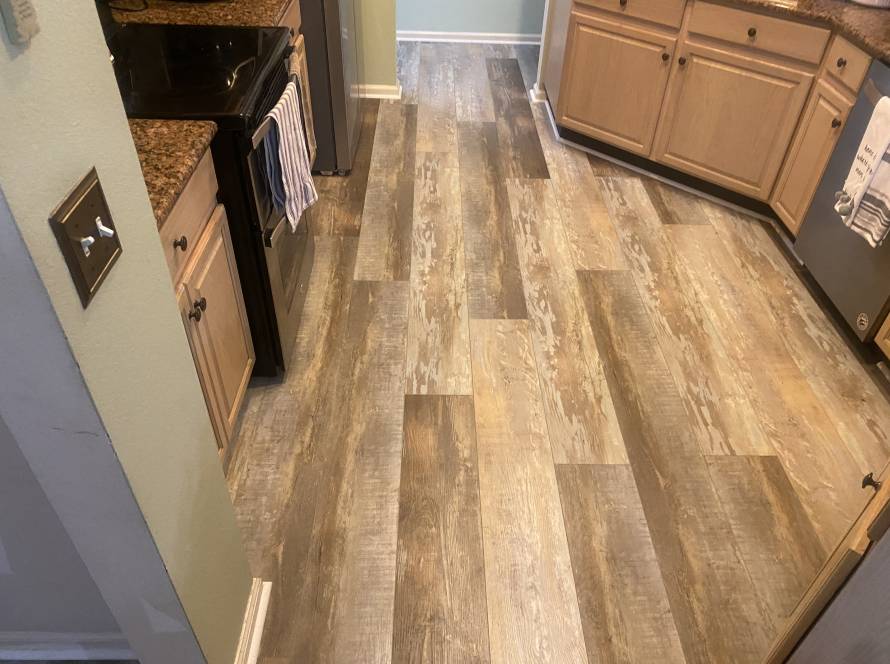
Picking new flooring should be exciting. You’re upgrading your home, making it more comfortable, adding value. But here’s what actually happens for a lot of homeowners: regret. And it’s not because the floor looked bad in the showroom. It’s because real life doesn’t happen in showrooms.
A floor can look absolutely perfect under those bright display lights and still fail you within the first year. It scratches easier than you expected. It stains. It swells in the humidity. It just… doesn’t feel right when you’re actually living on it.
Here’s what I’ve learned watching homeowners go through this: the best flooring choice isn’t about what looks good—it’s about what matches how you actually live.
Your daily routines, how many people are in the house, your pets, your cleaning style, even where you live in Florida—all of this determines what flooring will actually make you happy three, five, ten years from now.
This guide breaks down how to choose flooring based on lifestyle, room by room and situation by situation—so you avoid expensive mistakes and pick a floor you’ll still love years later.
Why Flooring Regret Happens (And How You Avoid It)
Most flooring regret comes from one of these situations:
- You chose what everyone else was choosing without thinking about your specific needs
- You fell in love with a look that turned out to be totally impractical
- You underestimated what Florida humidity actually does to floors
- You didn’t understand wear layers, finishes, or what “easy maintenance” really means
- You ignored the installation quality (or didn’t even think about it)
A lot of homeowners end up paying twice: once for the floor they wanted, and again for the floor they actually needed.
Good news? This is completely preventable. You just need a simple way to match flooring to how you actually live.
Step One: Figure Out Your Lifestyle Type
Before you start comparing materials, ask yourself:
What does a normal day look like in your home?
Most households fall into one of these categories:
- Busy Family Home – kids running around, constant activity, chaos is normal
- Pet-Centered Home – dogs, cats, claws, accidents, fur everywhere
- Low-Traffic/Minimalist Home – clean, quiet, fewer people, intentional living
- Entertainer Home – guests over regularly, gatherings, open floor plan
- Coastal/Beach Home – sand, grit, humidity, proximity to salt air
- Rental or Investment Property – durability and cost matter most
Once you know your category, the right flooring becomes way easier to spot.
Flooring Breakdown: What Each Material Is Actually Best For
Let’s walk through the major flooring types and what lifestyles they fit.
Luxury Vinyl Plank (LVP): The Florida Champion
Best for: Families, pets, rentals, humidity-prone homes, open layouts
LVP has become the go-to for Florida homeowners for one simple reason: it handles real life.
Why it works:
- Waterproof options available
- Scratch-resistant (if you get a good wear layer)
- Easy to clean
- More comfortable than tile
- Works great in kitchens, living rooms, hallways, bedrooms
Lifestyle match:
If your home has kids, pets, guests, or high traffic, LVP is usually the safest long-term bet.
Watch out for:
Not all LVP is created equal. Thin, cheap LVP can dent, separate, or feel hollow underfoot. Pay attention to wear layer thickness and overall construction quality.
Tile: Durable But Not Always Comfortable
Best for: Bathrooms, kitchens, hot climates, anyone wanting zero water risk
Tile’s popular in Florida for good reason—it handles moisture like a boss and lasts basically forever.
Pros:
- Excellent with humidity and spills
- Won’t warp or swell
- Easy to sanitize
- Good for resale in most markets
Cons:
- Hard underfoot (can be tiring if you stand a lot)
- Feels cold in winter, can be slippery when wet
- Grout can stain and needs regular maintenance
Lifestyle match:
Tile is ideal if you have frequent spills, need it in bathrooms and laundry rooms, or want maximum water resistance.
But if you cook a lot, stand in the kitchen often, or have small kids learning to walk, tile can feel tough day-to-day unless you add rugs or anti-fatigue mats.
Carpet: Comfort First, Maintenance Required
Best for: Bedrooms, quiet homes, people who prioritize warmth and softness
Carpet is still the most comfortable option for bedrooms and upstairs areas.
Pros:
- Soft and warm
- Quiet (amazing for multi-story homes)
- Creates that cozy look and feel
Cons:
- Stains and odors (especially with pets)
- Holds dust and allergens
- Not great with humidity or moisture
Lifestyle match:
Carpet works best in homes where shoes rarely come inside, there are few pets (or very well-behaved ones), and bedrooms are the main carpeted zones.
If you have pets prone to accidents, carpet becomes a long-term headache.
Hardwood (Solid): Beautiful, Premium… and Risky in Florida
Best for: Low-humidity climates, homeowners wanting timeless luxury
Solid hardwood is a dream floor for a lot of people. But in Florida? It can be risky business.
Pros:
- Stunning natural look
- High-end feel
- Adds significant value and appeal
Cons:
- Can warp, cup, or expand in humidity
- Needs careful maintenance
- Not waterproof
- Expensive to install and repair
Lifestyle match:
Solid hardwood is best for homes with rock-solid climate control, minimal moisture exposure, and homeowners committed to maintenance.
If you want wood in Florida, engineered hardwood is usually the smarter move.
Engineered Hardwood: The Florida-Friendly Wood Option
Best for: Homeowners who want real wood without the humidity drama
Engineered hardwood has a real wood top layer with a more stable base underneath.
Pros:
- Way more stable than solid hardwood
- Still looks like real wood
- Handles Florida humidity better
- Great for open layouts
Cons:
- Not always fully waterproof
- Can still scratch (it’s wood, after all)
- Refinishing depends on how thick the wear layer is
Lifestyle match:
Engineered hardwood works great for entertainers, design-focused homeowners, and families who want warmth and value.
It’s a strong option when you want that premium look but need better stability.
Laminate: Budget-Friendly and Surprisingly Strong (With Limits)
Best for: Dry areas, homeowners wanting a wood look on a budget
Laminate’s come a long way in recent years.
Pros:
- Affordable
- Scratch-resistant surface
- Can look very realistic now
- Great for low-moisture rooms
Cons:
- Traditional laminate swells with water
- Not ideal for bathrooms
- Can sound hollow without good underlayment
Lifestyle match:
Laminate works well for bedrooms, home offices, and low-traffic living areas.
Waterproof laminate options exist now, but quality really matters.
Quick Lifestyle-to-Flooring Guide
Here’s the cheat sheet:
If you have kids:
Choose LVP or tile. Avoid high-maintenance hardwood in high-traffic zones.
If you have pets:
Choose LVP with a strong wear layer. Avoid soft woods, easily scratched finishes, and plush carpet.
If you entertain often:
Choose engineered hardwood or premium LVP. Avoid flooring that stains easily or needs constant babying.
If you live near the beach:
Choose tile or LVP. Avoid carpet in entryways and wood in sand-heavy zones.
If you want quiet and cozy:
Choose carpet in bedrooms, LVP elsewhere. Avoid full-tile homes if comfort matters.
If it’s a rental property:
Choose durable LVP. Avoid expensive hardwood and stain-prone carpet.
Room-by-Room Recommendations
Living Room:
Best: LVP, engineered hardwood
Good: Tile (with area rugs)
Risky: Carpet if you entertain a lot
Kitchen:
Best: Tile or waterproof LVP
Avoid: Hardwood (water risk), cheap laminate
Bathrooms:
Best: Tile or waterproof vinyl
Avoid: Carpet, standard laminate
Bedrooms:
Best: Carpet, LVP
Good: Engineered hardwood
Avoid: Tile if comfort matters to you
Entryways/Mudrooms:
Best: Tile or LVP
Avoid: Carpet (Florida rain + sand = disaster)
The “Expensive Regret” Triggers to Watch For
Most flooring mistakes come from these:
- Choosing light floors without thinking about dirt and sand showing
- Choosing dark floors without considering every scratch and dust spec showing
- Choosing “water-resistant” when you actually needed waterproof
- Ignoring subfloor leveling issues
- Picking style over actual durability
A floor that looks great but stresses you out every day is not a good floor.
Installation: The Hidden Dealbreaker
Even the best flooring can fail with poor installation.
Common install problems:
- Uneven subfloors causing bouncing or separation
- Poor transitions creating trip hazards
- Incorrect underlayment leading to noise issues
- Bad spacing causing buckling down the road
This is why a lot of homeowners rely on trusted professionals like Lifetime Flooring—to make sure the flooring matches their lifestyle AND the installation is done right for long-term performance.
Three Simple Questions to Make the Decision
If you’re feeling overwhelmed, just ask yourself:
- Will this floor handle spills, pets, and daily traffic without stressing me out?
- Will it still look good after 2-3 years of actual life happening on it?
- Can I realistically maintain it without getting frustrated?
If the answer is “no” to any of these, keep shopping.
What Actually Adds Resale Value (Without Overpaying)
If resale matters to you, focus on:
- Consistent flooring throughout main areas (no weird transitions)
- Neutral tones that appeal broadly (warm, natural wood looks)
- Durable materials like LVP or engineered wood
- Clean transitions and professional installation
A cohesive, practical floor plan adds way more value than expensive flooring installed in the wrong rooms.
Many Jacksonville homeowners working with Lifetime Flooring choose high-quality LVP for exactly this reason—it looks modern, performs well, and appeals to future buyers.
Choose for Life, Not Just Looks
Flooring is one of the biggest visual and functional choices in your home. It affects your daily comfort, your cleaning routine, your resale value, and honestly, your happiness.
The biggest mistake? Choosing based on appearance alone.
Instead, choose based on how you actually live:
- If you’re busy: prioritize durability
- If you have pets: prioritize scratch and stain resistance
- If you love comfort: prioritize softness where it matters most
- If you live in Florida: prioritize moisture performance
When you match flooring to your actual lifestyle, you avoid expensive regret—and you end up with a home that feels better every single day.
If you’re planning a flooring upgrade and want help choosing what actually makes sense for your lifestyle, your layout, and Jacksonville conditions, Lifetime Flooring can help you compare options confidently and choose a floor you’ll love long-term.