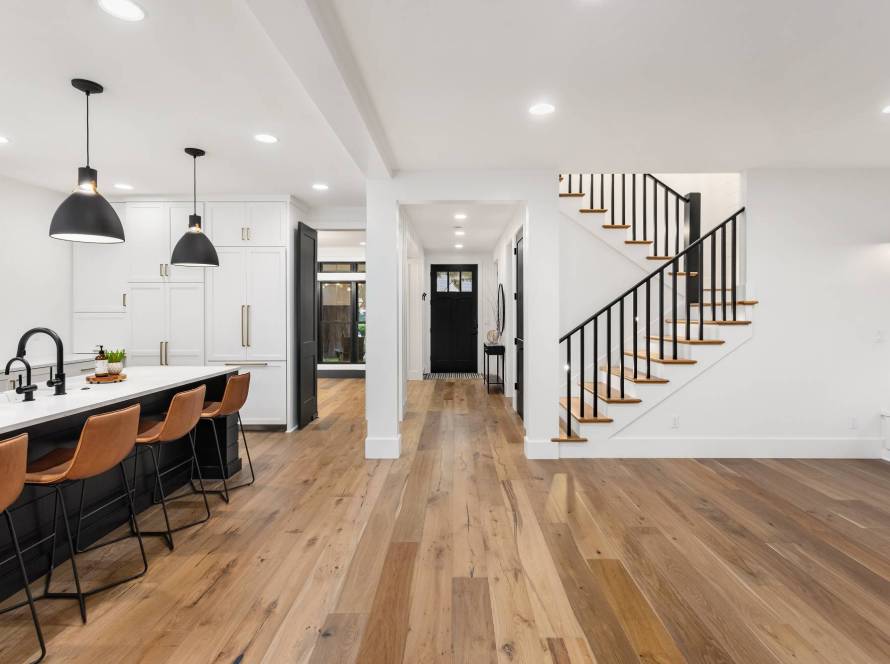
We’re past the point where flooring choices are made on aesthetics alone. Today, homeowners are asking tougher questions before pulling the trigger on a remodel, such as:
- What’s in this material?
- How long will it last?
- What kind of footprint does it leave behind?
These are fair questions, especially when you consider that the U.S. construction industry alone is responsible for over 25% of the country’s total waste stream, per the EPA. Products that wear out fast, off-gas into the air, or need replacing every decade are part of what’s clogging landfills and driving unnecessary emissions.
Tile has been a go-to flooring option for decades, and for good reason. It’s tough, good-looking, and in many cases, it can outlast the house itself. From a sustainability perspective, this kind of longevity is incredible. A floor that stays put for 50 years is already doing a lot of heavy lifting.
That said, is tile flooring sustainable by default? Not always.
Not all tiles are made the same. And just choosing tile doesn’t automatically put you on the green side of the fence.
So, if you want the full picture, including what tile is made of, how it stacks up against other materials, and how to spot the choices that support long-term sustainability, you’re in the right place.
Let’s talk about it.
What Makes a Flooring Material Sustainable?
Sustainable flooring comes down to three factors: where the material comes from, how long it stays in use, and how much waste it creates over time.
Resource Efficiency & Raw Materials
Most tile flooring in Jacksonville is made from natural resources like clay, sand, and widely available minerals. These materials don’t rely on petroleum-based inputs or synthetic layers that break down quickly.
That said, natural doesn’t always mean low-impact. Quarrying, extraction, and long-distance shipping all add to the material’s footprint. Tile produced closer to home or made by manufacturers that manage sourcing responsibly usually comes out ahead on the sustainability side.
Durability and Product Lifespan
A floor that lasts decades creates far less waste than one replaced every ten years. Longevity is one of the strongest sustainability signals any flooring can have.
Installed properly, tile resists moisture, dents, scratches, and heavy traffic better than many alternatives. Fewer replacements mean fewer materials used overall.
Manufacturing and Environmental Impact
Even natural materials can rack up a heavy footprint during production. High firing temperatures, energy-intensive kilns, water use, and factory waste all add up.
When evaluating sustainable tiles, look at the manufacturer’s environmental policies. Are they recycling water in production? Using renewable energy? Reducing packaging waste?
Some sustainable tile makers now publish third-party Environmental Product Declarations (EPDs) to show exactly what kind of emissions, energy use, and other sustainable practices are tied to each product line.
Is Tile Flooring a Sustainable Choice?
So, is tile flooring sustainable in a real-world sense?
In many cases, yes. Sustainable tile flooring checks several boxes that other materials struggle to match, especially when longevity and indoor health are part of the conversation.
Tile isn’t perfect, but when chosen and installed well, it’s widely viewed as one of the more responsible flooring options available.
Natural and Renewable Material Sources
Most ceramic and porcelain tiles are made from clay and mineral-based materials pulled straight from the earth. These inputs are widely available and don’t depend on plastics or layered synthetics.
Low VOC and Chemical-Free Options
Tile doesn’t release fumes or lingering smells into your home. Once it’s fired in a kiln, the tile itself is chemically stable. There’s no off-gassing, no VOCs, and nothing built into the tile that affects indoor air quality.
That said, some of the materials used around the tile—like adhesives, grouts, sealers, or underlayments—can emit VOCs during installation. Choosing low-VOC products for these layers keeps the entire system cleaner, not just the surface you see.
Long-Term Durability
Tile can last decades, sometimes a lifetime. It doesn’t scuff like wood, dent like vinyl, or wear down like carpet. If you’ve ever wondered how long tile flooring lasts, the answer is often 40 to 50 years or more. Fewer replacements mean less waste and lower overall environmental impact.
Types of Sustainable Tiles You Can Choose
If you’re looking for sustainable floor tile options, there’s a growing range of choices that go beyond traditional ceramic or porcelain. Some are made using recycled materials, others use bio-based innovations, and many are designed to last decades without losing performance.
Here’s a quick look at the most common sustainable tile categories on the market today:
Recycled Ceramic Tiles
Some ceramic tile manufacturers now produce lines made with post-consumer and post-industrial waste, including old tile scraps, glass, and leftover production material. These get crushed, reprocessed, and fired into new tiles without needing as much raw material extraction. Even better, they still perform just like regular ceramic.
Porcelain Made With Recycled Content
Porcelain is already known for being tough and low-maintenance. But when it’s made with recycled content, it becomes a sustainable floor tile choice. Some brands use up to 40% recycled material to cut down on waste and energy use.
Natural Stone Tiles
Stone options like slate, travertine, or granite offer long-term performance and minimal chemical processing. When sourced responsibly and installed properly, it’s one of the lowest-impact flooring options available.
Eco-Innovative Tile Options
There’s a growing wave of eco-innovative tiles hitting the market. These include:
- Bio-based tiles made from agricultural by-products
- Terrazzo that reuses stone, glass, and even metal chips
- Glass tiles made with high percentages of recycled glass
They’re creative, sustainable, and at the core of many bathroom tile flooring ideas.
Eco-Friendly Floor Tiles for Bathrooms and Wet Areas
Bathrooms put flooring materials to the test. Constant moisture, steam, and temperature changes wear down a lot of materials faster than expected.
Fortunately, eco-friendly floor tiles are one of the most reliable picks for wet areas. They’re clean, durable, and designed to handle moisture without needing constant upkeep or early replacement.
Moisture Resistance and Mold Prevention
Tile doesn’t absorb water the way softer materials do. The lack of moisture retention helps keep mold and mildew from gaining a foothold in bathrooms and other damp areas.
Slip-Resistant and Safety Features
Today’s eco-friendly tiles aren’t all gloss and shine. Matte finishes, stone-textured surfaces, and anti-slip coatings help make bathroom floors safer without looking clinical. You don’t have to trade style for safety.
Waterproof and Long-Lasting Performance
Water won’t wreck a good tile floor. That’s one of its biggest sustainability advantages. Since tile holds up over time, you won’t be ripping it out every few years like you might with cheaper, water-sensitive materials.
Environmental Benefits of Using Tile Flooring
Tile’s environmental benefits go way beyond just being long-lasting. Sustainable tile flooring plays a powerful role in reducing a home’s overall carbon footprint, from how it manages temperature to how it handles waste.
Energy Efficiency in the Home
Tile stays naturally cool underfoot. In many Jacksonville homes, it helps reduce how often the air conditioning kicks on, especially in high-traffic areas like kitchens, bathrooms, and sunrooms. You’ll likely see this reflected in your energy bills over time.
Recyclability and End-of-Life Advantages
When tile is eventually removed, it doesn’t have to go straight to a landfill. Old tile is often crushed and reused as base material for roads and construction projects.
Easy to Maintain with Low Chemical Use
Jacksonville’s coastal humidity means mold and mildew are constant concerns, particularly in older homes. Tile’s dense, non-porous surface makes it naturally resistant to both. You don’t need bleach, ammonia, or specialty treatments to keep it clean. A mild soap and water do the job.
Limitations and Things to Consider
Even with its advantages, tile isn’t a perfect solution. Anyone asking if tile flooring is sustainable should also look at where it falls short. The idea isn’t to dismiss sustainable floor tile options, but to choose them with open eyes and realistic expectations.
High Energy Use During Manufacturing
Tile production requires extremely high kiln temperatures. The process uses a lot of energy and can produce emissions, more so when factories rely on fossil fuels rather than cleaner power sources.
Cold Underfoot Without Proper Insulation
In colder climates or chilly areas of your home, tile can feel uncomfortably cold. Without radiant heating or area rugs, it may reduce comfort and increase heating use during the winter months.
Proper Disposal Required
While tile is recyclable, many recycling centers won’t take it unless it’s clean and sorted. Some types may require specialized facilities to avoid ending up in landfills.
FAQs
Is tile flooring sustainable for modern homes?
Yes. Tile flooring works well in modern homes because it lasts for decades, uses natural materials, and needs very little upkeep. Fewer replacements and minimal chemical use make it a great long-term sustainability choice.
What are the best eco-friendly floor tiles for bathrooms?
Porcelain and ceramic tiles are among the best eco-friendly floor tiles for bathrooms. They resist moisture, don’t trap mold, and hold up in humid spaces.
Are recycled tiles a good option for sustainable tile flooring?
Recycled tiles are a strong option for sustainable tile flooring. They reuse post-consumer or manufacturing waste while offering the same durability as standard tile.
What makes sustainable bathroom floor tiles different from regular tiles?
Sustainable bathroom floor tiles focus on durability, low emissions, and moisture resistance. They last longer, don’t release VOCs, and reduce the need for frequent replacements compared to lower-quality or poorly suited flooring.
Are ceramic and porcelain considered sustainable tiles?
Yes. Ceramic and porcelain are widely considered sustainable tiles because they’re made from natural materials, don’t off-gas, and can last for decades when installed correctly.
So, Is Tile Flooring a Sustainable Choice?
Yes, when it’s chosen thoughtfully.
Tile isn’t sustainable because it’s trendy or labeled “eco.” It earns its reputation the old-fashioned way: by lasting. A tile floor doesn’t need constant touch-ups, chemical treatments, or full replacement every few years. Once it’s in, it tends to stay put.
Choose well-made tile from manufacturers that take responsibility seriously. Install it properly. Skip the short-lived trends. Do this, and you won’t have to second-guess your tile floors again.
At Lifetime Flooring, we help homeowners in Jacksonville look beyond trends and focus on floors that make sense for how they live. Our showroom gives you the chance to see, touch, and compare tile options side by side.
If you’re exploring tile as a sustainable flooring option or thinking about professional tile flooring installation in Jacksonville, FL, our team is happy to walk you through it.
Stop by the showroom or give us a call. We’ll help you make a choice you’ll feel good about for the long run.