TL;DR — Quick Answers
- New flooring is one of the highest-impact home upgrades you can make — it changes the entire look and feel of a room instantly.
- Florida’s humidity means material choice really matters. The wrong floor in the wrong room leads to costly problems down the road.
- LVP is the top choice for active households — durable, waterproof options available, and built to handle kids, pets, and Florida moisture.
- Hardwood and engineered hardwood bring warmth and long-term value, especially in living areas and bedrooms.
- Tile is the gold standard for kitchens, bathrooms, and entryways where water and heavy traffic are daily realities.
- Schedule a free in-home estimate and walk away with honest recommendations tailored to your home and lifestyle.
There’s something that happens when you walk into a room with great floors. You notice it immediately — even if you can’t quite put your finger on why the space feels better. The light hits differently. The room looks bigger. It feels finished in a way that no paint color or furniture arrangement can quite achieve on its own. Floors are the foundation of how a home looks and feels, and upgrading them is one of the smartest investments a Jacksonville homeowner can make.
The challenge isn’t deciding whether to upgrade your floors — it’s knowing which material is actually right for your home, your lifestyle, and Florida’s unforgiving climate. The wrong choice leads to warping, fading, scratching, or moisture damage within a few years. The right choice lasts for decades and genuinely improves your daily life.
This guide breaks down every major flooring option, what each one is built for, and how to figure out which material fits your specific situation — room by room, family by family.
Why New Floors Change Everything (More Than Any Other Renovation)
Ask any interior designer or real estate professional what single renovation has the most visual impact, and flooring comes up every time. It’s not just aesthetics either — new floors change how a home sounds, how it maintains temperature, how easy it is to clean, and how confidently you feel having guests over.
According to the National Association of Realtors Remodeling Impact Report, new flooring is consistently ranked among the top home improvements for both homeowner satisfaction and return on investment at resale. In the Jacksonville market, updated floors are often the first thing buyers comment on during a showing — and dated or damaged floors are one of the most common reasons a home takes longer to sell.
Beyond resale, there’s the simple reality of daily life. You spend more time on your floors than on any other surface in your home. Floors that are easy to clean, comfortable underfoot, and genuinely beautiful to look at make your home a better place to live every single day.
The Florida Factor: Why Flooring Decisions Are Different Here
Jacksonville’s climate creates flooring challenges that homeowners in other parts of the country simply don’t deal with. High year-round humidity, intense summer heat, frequent afternoon rain, and in some areas, salt air from the coast — these conditions push flooring materials hard in ways that most product ratings don’t fully account for.
Solid hardwood that performs beautifully in a dry Colorado home can buckle and gap in Jacksonville’s humidity. Cheap LVP that looks fine in a showroom can delaminate when it’s sitting on a sun-exposed concrete slab in August. Carpet that seems like a cozy option in bedrooms becomes a moisture and allergen trap in a humid Florida home.
The U.S. Department of Energy’s guidance on moisture control emphasizes that homes in humid climates require active moisture management strategies — including choosing flooring materials and installation methods that account for elevated humidity at the subfloor level. This isn’t a minor technical detail; it’s the difference between floors that last twenty years and floors that need replacing in five.
Every material recommendation in this guide is filtered through the Jacksonville climate lens. What works here, in these conditions, for this lifestyle — that’s the standard.
Luxury Vinyl Plank (LVP): The Workhorse of Florida Flooring
If you walk into Jacksonville homes being renovated right now, odds are you’ll find LVP going down in most of them. There’s a reason for that. Luxury vinyl plank has become the dominant flooring choice for Florida homeowners because it was essentially engineered for exactly the conditions we live with — humidity, foot traffic, pets, spills, and the need for something that looks great without demanding constant maintenance.
What Makes LVP Work in Florida
Waterproof options available — quality LVP handles spills, pet accidents, and humidity well without warping, swelling, or growing mold underneath.
Scratch and dent resistance — the wear layer on quality LVP is built to take real punishment from kids, pets, furniture, and daily foot traffic.
Dimensional stability — engineered to expand and contract minimally with temperature changes, which matters enormously on sun-exposed Florida slabs.
Realistic wood and stone visuals — modern LVP uses high-resolution imaging technology that genuinely convinces the eye, even up close.
Easy maintenance — sweep, vacuum, and damp mop. No refinishing, no special cleaners, no seasonal treatment required.
Where LVP Shines
LVP is genuinely at home in most rooms of a Florida house. Living areas, kitchens, laundry rooms, and bedrooms all benefit from LVP’s durability and moisture-resistant performance. It’s one of the few flooring materials that handles both wet and dry rooms well — which is why many homeowners choose it for a seamless, cohesive look throughout much of the home.
What to Watch Out For
Not all LVP is created equal. Wear layer thickness (measured in mils) matters enormously for long-term durability — residential use generally calls for 12 mil or higher, with 20 mil being the commercial-grade standard that performs best in high-traffic Florida homes. Cheap LVP with thin wear layers shows damage within a year or two of normal use. Always ask about wear layer specs before purchasing.
Hardwood and Engineered Hardwood: Timeless, Warm, and Worth It
There’s a reason hardwood floors have been the most desired flooring option for centuries. The warmth, character, and authenticity of real wood underfoot is something no synthetic material has fully replicated. In Jacksonville homes, hardwood remains a top choice for homeowners who want that unmistakable premium look — provided the right type is specified for the right rooms.
Solid Hardwood vs. Engineered Hardwood in Florida
This is the most important distinction for Florida homeowners. Solid hardwood — a single plank of wood all the way through — is prone to expansion and contraction with humidity changes. In Jacksonville’s climate, solid hardwood in ground-level rooms or areas near exterior walls can buckle and gap over time if it’s not installed and acclimated properly. It performs best in upper-level rooms with stable climate control.
Engineered hardwood, which bonds a real wood veneer over a stable plywood core, handles humidity dramatically better. It looks and feels identical to solid hardwood on the surface but is far more dimensionally stable in Florida’s conditions. For most Jacksonville homes, engineered hardwood is the smarter choice — you get the genuine wood look and feel without the humidity risk.
Where Hardwood Belongs
Living rooms, dining rooms, hallways, and bedrooms are the ideal home for hardwood or engineered hardwood in a Jacksonville house. These are the spaces where the warmth and character of real wood make the most visual impact, and where traffic patterns and moisture levels are manageable. Keep hardwood out of bathrooms, laundry rooms, and kitchens with heavy water exposure.
The Long-Term Value Argument
Hardwood floors can be refinished multiple times over their lifespan — which means the same floor can look brand new again after years of use without full replacement. Quality hardwood in a well-maintained home can last 50 to 100 years. On a cost-per-year basis, it’s often the most economical premium flooring option over time.
Tile and Stone: The Florida-Proof Choice for Wet and High-Traffic Spaces
Tile has been the go-to flooring for Florida homes for decades, and for straightforward reasons. It’s waterproof when properly installed, handles heavy traffic without showing wear, keeps rooms cooler in summer heat, and requires almost no maintenance beyond regular cleaning. For kitchens, bathrooms, entryways, and laundry rooms, tile is often simply the best material for the job.
Porcelain vs. Ceramic Tile
Porcelain tile is denser, harder, and less porous than ceramic — making it the better choice for Florida’s wet and humid environments. It absorbs less moisture, resists staining better, and handles freeze-thaw cycles (relevant for garage floors in Northeast Florida’s occasional cold snaps). Ceramic tile works well in lower-moisture interior applications and is generally less expensive. For bathrooms and anywhere with regular water exposure, porcelain is worth the premium.
Large Format Tile: The Modern Standard
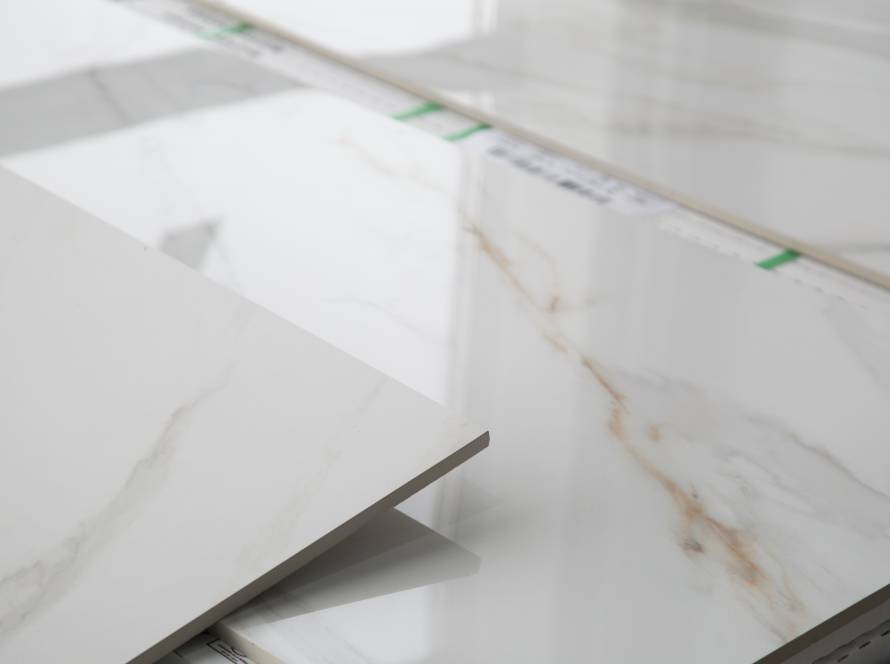
Large format tile — 24×24 inches and up — has become the dominant choice for Jacksonville kitchen and living area renovations in 2025 and 2026. Fewer grout lines mean easier cleaning and a more seamless, contemporary look. Stone-look and wood-look porcelain in large format has become especially popular because it delivers the visual warmth of natural materials with tile’s durability and moisture performance.
The Installation Reality with Tile
Tile is unforgiving about subfloor quality. An unlevel or flexing subfloor leads to cracked tiles and failed grout lines within a year of installation. Proper subfloor preparation — leveling, moisture barrier installation, and ensuring structural rigidity — is essential and non-negotiable. This is one of the most important reasons to choose an experienced installer over a budget contractor.
Carpet: When Comfort Wins the Argument
Carpet is often dismissed in conversations about Florida flooring, and that’s not entirely fair. In the right rooms, with the right product, carpet still delivers something no hard surface floor can match: softness, warmth, and quiet. For bedrooms in particular, many Jacksonville homeowners strongly prefer the feel of carpet underfoot, especially in children’s rooms.
Where Carpet Still Makes Sense
Bedrooms are the strongest use case for carpet in a Florida home. Foot traffic is low, water exposure is minimal, and the comfort benefits are maximized in the rooms where you’re barefoot most often. A quality carpet with moisture-resistant backing and low VOC off-gassing is a legitimate choice for bedrooms even in humid climates — provided the home is properly climate-controlled.
What to Avoid
Carpet in kitchens, bathrooms, laundry rooms, entryways, or any room with regular moisture exposure is a mistake in Florida. Carpet padding absorbs moisture, and in humid conditions that trapped moisture creates mold, mildew, and odor problems that are expensive and disruptive to remediate. Keep carpet in low-moisture rooms and choose hard surface options everywhere else.
How to Choose: A Room-by-Room Framework
The most practical way to think about new flooring is room by room — matching material to conditions rather than forcing one choice throughout the whole house (though whole-home LVP is a perfectly valid approach for many families).
Living Room and Dining Room
Hardwood, engineered hardwood, or high-quality LVP are all excellent choices here. These rooms have moderate traffic, minimal moisture, and high visual impact — they reward premium materials. Wide plank formats in warm natural tones are the dominant trend in Jacksonville living areas heading into 2026.
Kitchen
LVP or large format tile. Both stand up well to spills, splashes, and daily foot traffic that kitchens produce. If your kitchen flows into an open living area, matching the LVP throughout creates a clean, cohesive look. If the kitchen is more enclosed, tile is a classic choice that adds character and is nearly indestructible.
Bathrooms
Porcelain tile, full stop. Bathrooms in Florida homes need waterproof flooring with slip-resistant texture. Tile with proper waterproofing at the subfloor is the professional standard for wet bathroom environments.
Bedrooms
This is the most personal choice in the house. Carpet delivers comfort that many homeowners genuinely love in a bedroom. Engineered hardwood brings warmth and elegance. High-quality LVP is the practical choice for households with pets or children who use bedrooms as play spaces. All three work — it comes down to priority.
Entryway and Mudroom
Tile or LVP. These are the highest-traffic, highest-moisture entry points in your home — every set of shoes, rainy-day umbrella, and wet dog comes through here. Durability and easy cleaning beat aesthetics here. Large format tile makes a strong design statement and survives everything.
Laundry Room
LVP or tile only. Moisture from machines, accidental overflows, and humidity make any other material a liability. This room doesn’t need to be beautiful, but it needs to handle moisture well.
Why Installation Quality Matters as Much as Material Quality
This point doesn’t get made enough. The best flooring material in the world, installed incorrectly, will fail. And in Jacksonville’s climate, improper installation accelerates that failure significantly.
Subfloor preparation is the most critical variable. An uneven subfloor causes LVP to flex and click joints to separate. Moisture trapped in a concrete slab without a proper vapor barrier causes engineered hardwood to buckle. Tile over a flexing subfloor cracks at the grout lines within months. Every premium flooring project begins with honest subfloor assessment and whatever preparation work is actually needed — not a shortcut.
The National Wood Flooring Association emphasizes that moisture testing of subfloors before installation is not optional — it’s essential. Skipping this step is the single most common cause of hardwood and engineered hardwood installation failures in humid climates. A good installer tests the subfloor as standard procedure, not as an add-on.
Transitions, thresholds, and edge work also separate quality installations from rushed ones. Clean transitions between flooring types, proper quarter-round or base shoe finishing, and accurate cuts around doorframes and obstacles — these details are invisible when done right and impossible to ignore when done wrong.
Why Jacksonville Homeowners Choose Lifetime Flooring
Choosing the right flooring material is half the decision. Choosing the right installer is the other half. Lifetime Flooring is part of the Lifetime Family of brands, with combined experience of 40+ years serving Northeast Florida homeowners. That’s deep home improvement experience in this climate, on these subfloors, with the product knowledge that comes from completing thousands of local projects.
Every project starts with a free in-home estimate that includes a genuine subfloor assessment — not just a tape measure and a quote. The team evaluates moisture levels, existing floor conditions, and what preparation work is actually needed before making material recommendations. If leveling, a vapor barrier, or old-floor removal is required, it’s identified upfront and included in the estimate — no surprise charges after installation begins.
The showroom on Philips Highway carries LVP, hardwood and engineered hardwood, tile and stone, carpet, and laminate — so homeowners can see and feel actual samples before deciding, rather than choosing from a catalog or a small swatch card. It’s the kind of experience that makes a confident decision possible.
Frequently Asked Questions About New Floors in Jacksonville
Q: What is the best flooring for a Florida home? A: For most Florida homes, luxury vinyl plank (LVP) offers the best combination of durability, moisture resistance, and value. Engineered hardwood is the premium choice for living areas and bedrooms where warmth and character matter. Porcelain tile is the top choice for bathrooms and kitchens. The right answer depends on the room, your lifestyle, and your budget.
Q: How long does flooring installation take in Jacksonville? A: Most residential flooring projects are completed within 1 to 5 days depending on the square footage, material type, and subfloor preparation needed. A standard single-room installation is typically done in one day. Whole-home projects with subfloor prep work may take 3 to 5 days. Your installer should give you a clear timeline before work begins.
Q: Is LVP better than hardwood for Jacksonville homes? A: It depends on the room and your priorities. LVP is more moisture-resistant and requires less maintenance — it’s the practical winner for busy households, kitchens, and rooms with moisture exposure. Hardwood and engineered hardwood deliver warmth, character, and long-term value that LVP doesn’t fully replicate. Many Jacksonville homeowners use engineered hardwood in living areas and bedrooms and LVP in kitchens, bathrooms, and high-traffic zones.
Q: Does new flooring increase home value in Jacksonville? A: Yes — consistently. Updated flooring is one of the improvements real estate professionals most frequently recommend before listing a home. Dated carpet, cracked tile, and worn laminate are among the first things buyers notice. New floors — especially hardwood, engineered hardwood, or quality LVP — photograph well, show well, and command higher offers in the Jacksonville market.
Q: Do you remove old flooring before installing new floors? A: Yes. Old-floor removal is part of the standard installation process. Whether it’s carpet, sheet vinyl, tile, or laminate, professional removal ensures the subfloor is properly assessed and prepared before new material goes down. Installing over existing flooring without addressing the subfloor underneath is a shortcut that leads to problems — a quality installer doesn’t take that risk.
Q: How do I choose between LVP and tile for my kitchen? A: Both are excellent kitchen choices. LVP is warmer underfoot, more comfortable to stand on for long periods, and creates a seamless look when flowing from kitchen into an open living area. Tile is harder, cooler in summer, and arguably more durable under very heavy use. If your kitchen connects to an open living space, LVP creates better visual continuity. If the kitchen is enclosed and style is a priority, large format tile makes a striking statement.
Ready to Make Every Step Count?
New floors change how your home looks, feels, and functions — every single day. Whether you’re replacing worn-out carpet, upgrading dated tile, or starting a full home renovation, the right flooring choice paired with quality installation is one of the most satisfying investments you can make in your home.
The best next step isn’t more research. It’s walking through your space with someone who can look at your subfloor, understand your lifestyle, and give you an honest recommendation — not a sales pitch.
Call Lifetime Flooring today at (904) 302-5745 for your free in-home estimate. Our team will measure your space, assess your subfloor, and walk you through material options that actually fit your home, your family, and your budget — no pressure, no obligation.
Or stop by the showroom at 8440 Philips Hwy, Jacksonville — see the full product line in person and walk out with a clear sense of what works for your home. Visit lifetimeflooringjax.com to learn more about Lifetime Flooring’s full product selection and schedule your consultation.