TL;DR:
- Flooring is the largest visible surface in any room — changing it transforms the entire look and feel of your home faster than any other single upgrade
- New floors improve aesthetics, comfort, indoor air quality, home value, and daily functionality
- The right material depends on your lifestyle, room usage, and Florida’s climate — not just what looks good in a showroom
- Flooring upgrades consistently deliver one of the highest ROIs among home improvements
- A professional installation makes the difference between floors that impress and floors that last
You Already Know Something Needs to Change
Maybe it’s the carpet that’s been there since you moved in — matted, stained, and holding onto years of pet hair and spilled coffee. Maybe it’s the builder-grade tile that makes your kitchen feel cold and dated. Or maybe everything still “works,” but when you walk through your front door, nothing about your home feels like the upgrade you’ve been imagining.
Here’s the thing most homeowners don’t realize until they do it: flooring is the single most transformative change you can make to your home. Not a fresh coat of paint. Not new countertops. Not even new furniture. Floors.
Why? Because flooring is the largest continuous surface in every room. It’s the backdrop for everything else — your furniture, your walls, your lighting, your life. When the floors change, the entire space changes with them.
Why Flooring Has More Impact Than Any Other Upgrade
Paint refreshes a room. New fixtures add polish. But flooring rewrites the entire story of a space.
It’s the First Thing People Notice (Even When They Don’t Realize It)
Walk into any home and your eyes immediately register the floor — the color, the texture, the condition. You might not consciously think “nice floors,” but your brain is already forming an opinion about the space. Worn, outdated, or mismatched flooring drags the whole room down. Clean, modern, well-installed floors lift everything around them.
It Changes How a Room Feels, Not Just How It Looks
Flooring affects more than aesthetics. Hardwood makes a room feel warm and grounded. Tile makes it feel clean and open. Carpet makes it feel soft and quiet. LVP makes it feel modern and low-maintenance. The material underfoot shapes the mood of the space in a way that no other surface can match.
It Connects Your Entire Home
Most upgrades are room-specific — a kitchen backsplash, a bathroom vanity, a bedroom accent wall. Flooring flows through the entire home. When you install consistent flooring across connected spaces, the result is a sense of cohesion and flow that makes a house feel finished, intentional, and bigger than its square footage suggests.
The Upgrade That Pays for Itself
Flooring isn’t just an aesthetic investment. It’s a financial one.
Home Value and Resale Appeal
Real estate professionals consistently rank flooring among the top upgrades for return on investment. Buyers notice floors immediately during a showing. Dated carpet or damaged tile can lower perceived value, while clean hardwood, modern tile, or quality LVP signals a well-maintained home.
Replacing old carpet with hardwood alone can increase home value by 3-5% in many markets. In Jacksonville’s competitive housing market, move-in-ready flooring helps listings sell faster and for stronger offers.
Cost vs. Impact
Compared to kitchen remodels ($15,000-$50,000+) or bathroom renovations ($10,000-$30,000+), a whole-home flooring upgrade often costs less while transforming every room in the house. The dollar-per-impact ratio of new flooring is hard to beat.
What New Flooring Actually Fixes (Beyond the Obvious)
Most homeowners start thinking about new floors because of how they look. But the benefits go deeper than appearance.
Indoor Air Quality
Old carpet traps dust, allergens, pet dander, mold spores, and volatile organic compounds (VOCs). If anyone in your household deals with allergies or asthma, replacing carpet with hard-surface flooring can make a noticeable difference. Tile, hardwood, and LVP don’t harbor allergens the way carpet fibers do.
Comfort and Noise
The right flooring changes how your home sounds and feels. Carpet in bedrooms reduces noise between floors and adds warmth underfoot on cool mornings. Hardwood in living areas provides a solid, clean feel. LVP with a quality underlayment offers cushion and sound dampening without the maintenance of wood.
Durability and Daily Life
If you have kids, pets, or heavy foot traffic, the wrong flooring turns maintenance into a full-time job. Scratched hardwood, stained carpet, cracked tile — these aren’t just cosmetic problems. They’re daily frustrations. Choosing the right material for how you actually live eliminates those headaches.
Moisture and Climate Performance
In Florida, moisture is a constant factor. Humidity warps cheap laminate. Water damage destroys carpet padding. Poorly installed hardwood cups and buckles. The right flooring, properly installed for Jacksonville’s subtropical climate, performs better and lasts longer than a material chosen purely for looks.
Choosing the Right Flooring for Your Lifestyle
There’s no single “best” flooring. The right choice depends on where it’s going, who’s walking on it, and how much maintenance you’re willing to do. Here’s how Jacksonville homeowners typically think about it.
Hardwood
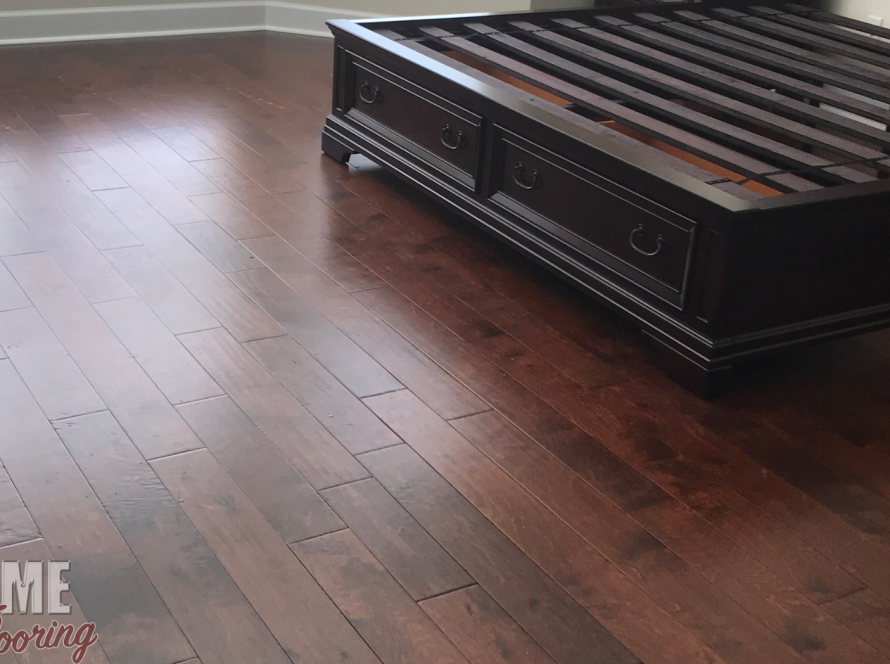
Best for living rooms, dining rooms, bedrooms, and entryways. Hardwood brings warmth, character, and long-term value. It can be sanded and refinished multiple times over its 75-100 year lifespan. In Florida, engineered hardwood handles humidity better than solid hardwood, making it the go-to choice for most Jacksonville homes.
Tile and Stone
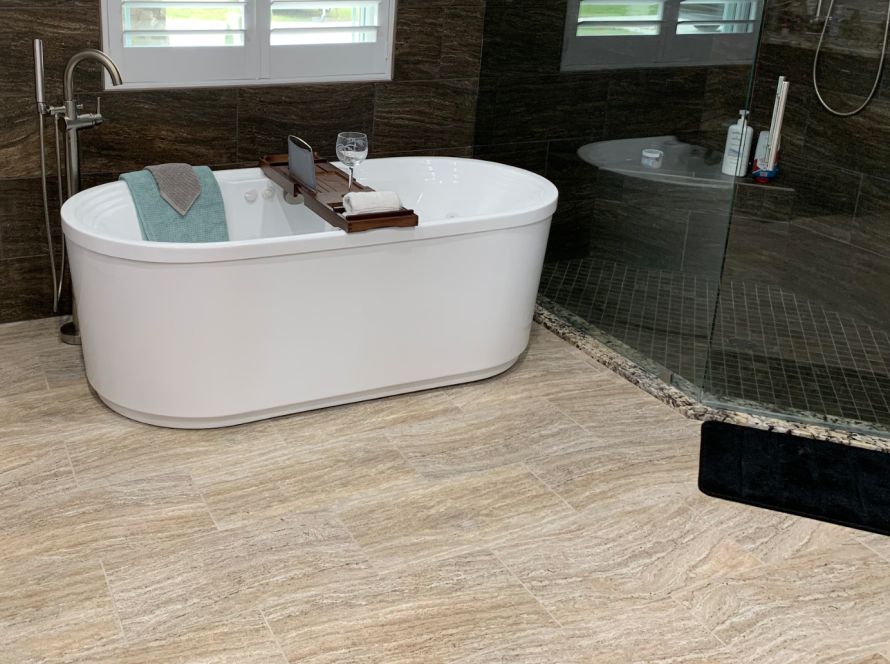
Best for kitchens, bathrooms, laundry rooms, and entryways. Tile is virtually indestructible in Florida’s climate — it doesn’t warp, swell, or react to humidity. Large-format porcelain and wood-look tile are trending for homeowners who want durability with a modern, seamless aesthetic.
Luxury Vinyl Plank (LVP)
Best for whole-home installations, families with kids and pets, and budget-conscious upgrades that don’t sacrifice style. LVP is waterproof, scratch-resistant, and available in realistic wood and stone looks. It’s one of the most popular flooring choices in Northeast Florida right now for good reason.
Carpet
Best for bedrooms, stairs, and bonus rooms. Carpet adds softness, warmth, and sound absorption. Today’s stain-resistant options hold up significantly better than carpet from even a decade ago. It’s still the most comfortable surface underfoot, and the most affordable per square foot.
Laminate
Best for homeowners who want the hardwood look at a lower price point. Modern waterproof laminate has come a long way — it installs fast, cleans easily, and holds up well in moderate-traffic areas like living rooms, guest bedrooms, and home offices.
The Florida Factor: Why Material Choice Matters Here
Jacksonville isn’t Denver or Detroit. The climate shapes what works and what doesn’t.
Humidity is the biggest variable. Wood expands and contracts with moisture changes. Without proper acclimation and installation, hardwood can cup, crown, or buckle. Engineered hardwood and LVP handle humidity fluctuations better than solid wood.
Heat matters too. Tile stays cool underfoot — a plus during eight months of Florida warmth. Carpet and hardwood feel warmer, which is a benefit during the short cool season but can feel heavy in summer.
Salt air affects coastal homes in Jacksonville Beach, Ponte Vedra, and St. Augustine. Tile and LVP handle salt exposure with zero issues. Hardwood in coastal homes needs careful climate control and maintenance.
Water exposure is a constant reality. Between afternoon thunderstorms, pool splashes, and bathroom humidity, your flooring needs to handle moisture without failing. Tile and LVP are waterproof. Hardwood requires more care. Carpet in wet areas is a recipe for mold.
What Professional Installation Actually Gets You
You can buy the best material in the world and still end up with a floor that fails if the installation is wrong. In Florida especially, professional installation isn’t a luxury — it’s a requirement.
A professional installer handles subfloor prep (leveling, moisture testing, crack repair), proper acclimation of materials to your home’s humidity, precise cuts around transitions, cabinets, and irregular spaces, correct underlayment selection for sound and moisture control, and clean, tight seams that don’t shift or gap over time.
The difference between a DIY floor and a professionally installed floor shows up immediately in the details — and it shows up again years later when one holds up and the other doesn’t.
Signs It’s Time to Replace Your Floors
Not sure if you’re ready? Here are the signals that your flooring has run its course:
- Carpet that’s stained, matted, or smells musty even after cleaning
- Hardwood with deep scratches, water damage, or visible warping
- Tile with cracked, chipped, or loose pieces
- Laminate that’s peeling, bubbling, or soft in spots
- Any flooring that’s more than 15-20 years old and visibly worn
- Floors that clash with a recent kitchen, bathroom, or whole-home update
- Persistent allergies that improve when you’re away from home
If you’re nodding at more than one of these, it’s time.
FAQs About Upgrading Your Home’s Flooring
Q: What is the best flooring for increasing home value? A: Hardwood consistently ranks highest for resale value, followed by tile and LVP. The key is quality installation and choosing a style that appeals broadly — neutral tones in hardwood and tile tend to perform best at resale.
Q: How long does a whole-home flooring installation take? A: Most whole-home installations take one to five days depending on the square footage, material type, and amount of prep work needed. Your flooring contractor will give you a realistic timeline during the consultation.
Q: Can I install new flooring over my existing floors? A: In some cases, yes. LVP and laminate can often be installed over existing hard surfaces. Carpet typically needs to be removed first. Tile-over-tile is possible but depends on the condition of the existing surface. A professional assessment determines what’s feasible.
Q: What’s the most durable flooring for families with kids and pets? A: LVP and tile are the top performers for durability, scratch resistance, and easy cleanup. Engineered hardwood with a strong finish also holds up well. Carpet works in bedrooms but requires more frequent cleaning in high-traffic areas.
Q: How much does new flooring cost in Jacksonville? A: Costs vary widely by material. On average, Jacksonville homeowners spend between $2 and $10 per square foot for materials, with installation adding to the total. Hardwood and premium tile sit at the higher end, while LVP, laminate, and carpet are more budget-friendly. A free in-home estimate gives you the most accurate number for your specific project.
Q: Is it better to do one room at a time or the whole house? A: Whole-home installations are typically more cost-effective per square foot because setup and labor are consolidated. They also create a more cohesive look. But if budget is a constraint, starting with high-impact areas like the living room, kitchen, or entryway delivers the most visible transformation.
Ready to See What New Floors Can Do?
The fastest way to change how your home looks and feels is right under your feet. Whether you’re replacing worn-out carpet, upgrading builder-grade tile, or starting fresh with hardwood, the right flooring transforms everything.
Lifetime Flooring has been helping Jacksonville homeowners find the right floors for over 40 years. Visit our showroom, browse our products, or schedule a free in-home estimate to get started.