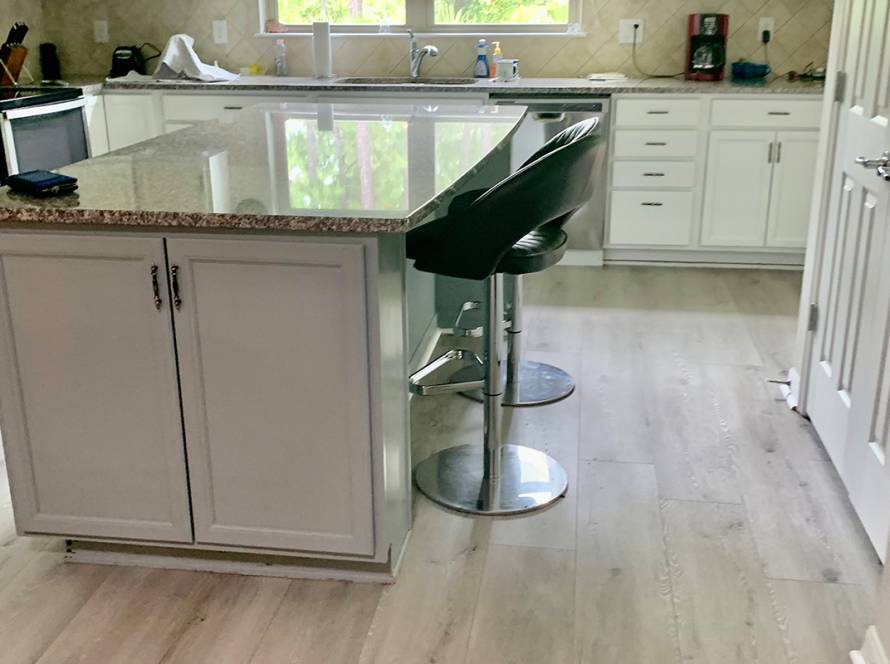
In Florida homes, flooring has to do more than match your décor; it needs to keep up with your family’s routine. In fact, nearly 30% of American homeowners renovated to replace worn-out floors that couldn’t keep up with everyday life.
Between kids, pets, humidity, and daily foot traffic, your floors need to work against sandy shoes after a beach day to sudden summer rainstorms.
Throughout Jacksonville and much of Florida, tile and laminate flooring continue to rank among the most popular and long-lasting choices for busy households. Both options offer lasting value and come in designs that can match almost any space.
However, they perform differently depending on your lifestyle and where you plan to install them.
In this post, we’ll compare tile vs. laminate flooring based on performance, maintenance, comfort, and cost, so you can choose the option that best meets your family’s needs and your Florida home.
What Are Tile and Laminate Flooring Options?
Before comparing the durability of tile vs. laminate flooring, it helps to understand what sets them apart. Both are attractive, but they’re built differently and perform best in different parts of a home, particularly in Florida’s warm, humid climate.
Tile Flooring Overview
Tile flooring is known for its long-lasting character and water resistance. It works well in areas that deal with frequent moisture, like kitchens, bathrooms, and laundry rooms.
Materials and Composition
Tile is made from ceramic, porcelain, or natural stone, all of which are fired at high temperatures to create a hard, dense surface. Porcelain is the most water-resistant and lasting option, while stone tiles like slate offer a textured, natural look that adds character to any room.
Performance and Maintenance
Tile can withstand scratches, stains, and moisture, making it one of the toughest flooring materials available. Maintenance is easy; regular sweeping and an occasional mop are typically enough to keep it looking clean.
Design and Style Variety
Tile comes in a wide range of colors, textures, and finishes. Homeowners can choose from wood-look, stone-look, or patterned designs to match any space. Porcelain gives a modern, polished feel, while slate brings a more natural, slip-resistant surface suited for both indoor and outdoor use.
Tile offers lasting strength and moisture protection, but laminate flooring gives homeowners a softer, more affordable option that still delivers a stylish, realistic look.
Laminate Flooring Overview
This type of flooring gives you the look of hardwood or stone without the high cost or maintenance. It’s a popular choice for families who want the warmth and style of wood flooring while staying within budget.
Materials and Composition
Laminate is made up of several layers: a fiberboard core for strength, a printed design layer that mimics real wood or stone, and a protective wear layer that helps guard against scratches, stains, and fading. This layered design makes laminate both durable and visually appealing.
Performance and Maintenance
Laminate floors can take on everyday wear and are easy to maintain. Regular sweeping and occasional damp mopping are usually enough to keep them clean. While most laminate flooring can resist minor spills, it’s best for living rooms, bedrooms, and hallways rather than high-moisture areas like bathrooms.
Design and Style Variety
Laminate flooring is available in a wide range of colors, grains, and textures that closely resemble real wood or stone. From light oak and rich walnut to tile-inspired patterns, there’s an option to match nearly any home design.
Both tile and laminate can elevate a home’s style, but their toughness and long-term performance typically determine which one works best for a busy household.
Which Flooring Lasts Longer: Tile or Laminate?
Both tile and laminate flooring are meant for daily use, but their lifespan and performance depend on the environment. Florida’s mix of heat, humidity, and family activity calls for flooring that can take everyday wear.
Tile Flooring Durability
Porcelain and ceramic tiles are dense and strong, made to resist cracks, scratches, and surface wear in busy areas. Their water-resistant surface makes them a good choice for kitchens, bathrooms, and entryways, and with regular care, they can last for decades.
Resistance to Moisture and Damage
Tile is naturally water-resistant, which makes it a strong choice for bathrooms, kitchens, and entryways. It doesn’t absorb moisture or swell, lowering the risk of mold growth and water damage, an important advantage for homeowners in Florida’s humid climate.
Lifespan and Maintenance
With professional installation from a flooring contractor in Jacksonville, FL, tiles can last 40 to 50 years or longer. It resists scratches, dents, and fading, and stays stable even in changing temperatures or moisture levels. Regular sweeping and the occasional mop are all that’s needed to keep it in good condition.
Tile delivers long-lasting results and reliable water protection, but laminate flooring offers solid performance in drier areas, making it a practical, budget-friendly option for many homes.
Laminate Flooring Durability
Laminate can work great for everyday use in dry, moderate-traffic areas. It performs best in living rooms, bedrooms, and hallways, but isn’t really a good option for spaces with frequent moisture or standing water.
Performance in Different Environments
In the tile vs. laminate flooring comparison, laminate works well in rooms where humidity is controlled. For bathrooms, kitchens, and laundry rooms, tiles are the better option because they resist water and humidity more effectively. Prolonged exposure to moisture can cause laminate boards to swell, warp, or separate at the joints.
Improved Water Resistance
Many newer laminate products now feature water-resistant coatings and enhanced locking systems that help limit moisture damage. These upgrades protect against light spills or damp cleaning, though laminate is still not considered waterproof.
Maintenance and Longevity
Laminate flooring needs regular sweeping and quick cleanup of spills to prevent moisture from seeping between planks. With good care, it can last 15 to 25 years, depending on the quality of the material and the amount of daily foot traffic.
Laminate holds up well in dry environments and offers a practical balance of durability and comfort. However, for many homeowners, the cost of tile vs. laminate flooring becomes the key factor when deciding which to install.
Cost of Tile vs. Laminate Flooring
Tile typically costs more upfront, while laminate offers a lower starting price and quicker installation. Knowing the full cost picture can help you balance short-term budgets with long-term value.
Tile Flooring Cost
Prices vary based on the type of tile, quality, and room size, with porcelain and natural stone typically priced higher than ceramic. Installation involves surface preparation, leveling, and precise cutting.
Material and Installation Costs
Tile typically costs between $5 and $15 per square foot, including installation. Porcelain and natural stone tiles are at the higher end, while ceramic tiles are considered more affordable. Installing tile requires mortar, grout, and precise alignment, which adds to both the time and labor cost.
Long-Term Value
Even with a higher upfront price, tile delivers long-term savings through its long-lasting and low-maintenance. When installed professionally, it can last for decades and often boosts a home’s resale value. Hiring an experienced flooring contractor in Jacksonville, FL, is highly recommended.
While tile offers value in the long run, laminate flooring provides a more budget-friendly option that’s faster to install and easier to maintain.
Laminate Flooring Cost
For cost-conscious homeowners, laminate flooring offers an affordable mix of style and performance. It delivers the look of real wood or stone at a fraction of the cost, making it a practical choice for families updating their homes on a budget.
Material and Installation Costs
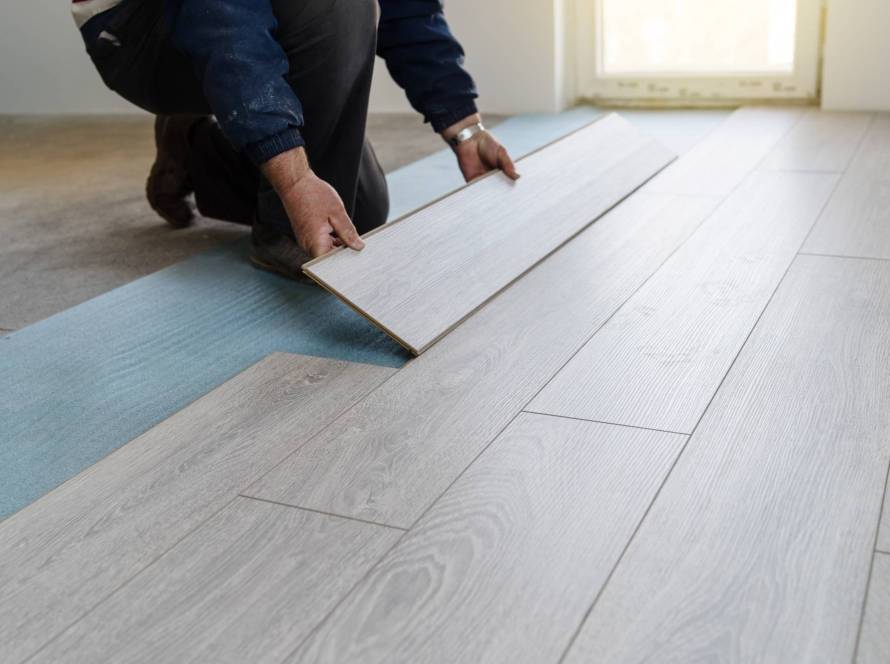
The total cost of laminate flooring, including materials and installation, typically ranges from $3 to $8 per square foot. It’s a good option for DIY installation, thanks to its click-and-lock design, which allows planks to fit together without nails or adhesives. This system lowers labor costs and installation time.
Maintenance and Short-Term Value
Laminate flooring requires little upkeep and doesn’t need sealing or refinishing, keeping maintenance costs low. While it may not last as long as tile, it offers solid performance for 15 to 25 years when properly cared for. Its combination of affordability, quick installation, and low maintenance makes it an attractive choice for busy households.
While affordability and toughness matter, comfort and style are deciding factors, and this is where tile and laminate flooring start to show their strengths.
What’s Best for Busy Family Life?
Both tile and laminate flooring hold up well to daily use, but differ in how they feel underfoot and how they fit different spaces in the home.
Comfort and Safety
Both materials perform well in busy homes, but their comfort level differs. The choice often depends on how each room is used.
Tile Flooring
Tile floors are hard and cool, which helps keep rooms comfortable in Florida’s warm climate. However, the firm surface can be tiring to stand on for long periods and may become slippery when wet, particularly in kitchens or bathrooms. These factors make tiles less advantageous for families with young children or elderly residents.
Laminate Flooring
Laminate feels softer and warmer, offering more comfort for walking, standing, or playing. It’s well-suited for living rooms, bedrooms, and hallways, where families spend most of their time. Adding underlayment padding increases comfort, reduces noise, and provides better shock absorption, helpful in homes with kids or pets.
Style and Design Options
Both tile and laminate floors come in a wide range of colors, textures, and patterns. This variety makes it easy to achieve a specific design look, whether you’re updating a single room or coordinating flooring throughout the entire home.
Tile Flooring
Tile is available in many colors, patterns, and materials, including ceramic, porcelain, and natural stone. It can imitate the look of wood, marble, or concrete, making it blend easily into any home style. Its long-lasting finish keeps its appearance for years with minimal fading or wear.
Laminate Flooring
Laminate flooring features realistic wood and tile visuals, made with high-definition printing and textured finishes. It captures the look of hardwood or stone at a lower cost and needs less maintenance. Laminate tile flooring is a versatile choice for kitchens, family rooms, or basements, offering the look of tile with a more comfortable feel.
With comfort, safety, and design covered, it’s also important to consider how tiles and laminates perform over time in terms of sustainability and long-term value.
Sustainability and Lifespan Considerations
Both tile and laminate flooring contribute to sustainability. Tile stands out for its longevity and natural composition, while laminate has become more eco-friendly due to its advances in materials and manufacturing.
Tile Flooring
Many tile options are made from natural or recycled materials, including clay, glass, and stone. Because tiles can last 50 years or more, it decreases waste and the need for frequent replacement.
It also requires little maintenance and doesn’t emit harmful chemicals, which helps maintain good indoor air quality. Its resistance to moisture, wear, and fading makes it one of the most sustainable long-term flooring choices for homeowners who value longevity and stability.
Laminate Flooring
Many products now use recycled fiberboard and low-VOC adhesives, which lower emissions and make indoor environments healthier. While laminate generally lasts 15 to 25 years, it’s easier and less expensive to replace than tile, making it a practical option for families who remodel or update their interiors frequently.
Improvements in production have also lowered waste, giving laminate flooring a smaller environmental footprint than older versions.
Tile has a long life span, while laminate has made progress with recycled materials and easier replacement options that minimize waste. Taken together, each offers a practical path toward a more sustainable home.
Final Verdict: Tile vs. Laminate Flooring: Which Is Smarter?
Both tiles and laminate flooring are excellent choices for family homes, but your decision will likely depend on everyday comfort and affordability.
Tile flooring is best for homeowners who need toughness and water resistance. Its solid build makes it perfect for bathrooms, kitchens, and entryways, where moisture and heavy use are common. Though it costs more upfront, tile’s long lifespan and low maintenance typically make it the better long-term investment.
Laminate flooring works for families who prioritize comfort, warmth, and affordability. It’s softer underfoot, easy to install, and works well in bedrooms, living rooms, and play areas. While it doesn’t last as long as tile, it offers great value for homes that need practical, good-looking floors on a budget.
Need Expert Help Choosing Between Tile and Laminate?
Finding the right flooring for your family means balancing style, comfort, durability, and budget. Whether you’re drawn to the lasting strength of tile flooring or the warmth and value of laminate flooring, our experts will help you find the best match for your home.
At Lifetime Flooring, we offer a wide selection of tile and laminate flooring options designed to fit every space and lifestyle. Visit our Jacksonville showroom to see the differences in person and learn more about the cost of tile vs. laminate flooring from our experienced team.
For expert guidance and professional tile flooring installation in Jacksonville, FL, call us today and let us help you choose the perfect floor for your home.